Deception Island

Saturday, February 8, 2025

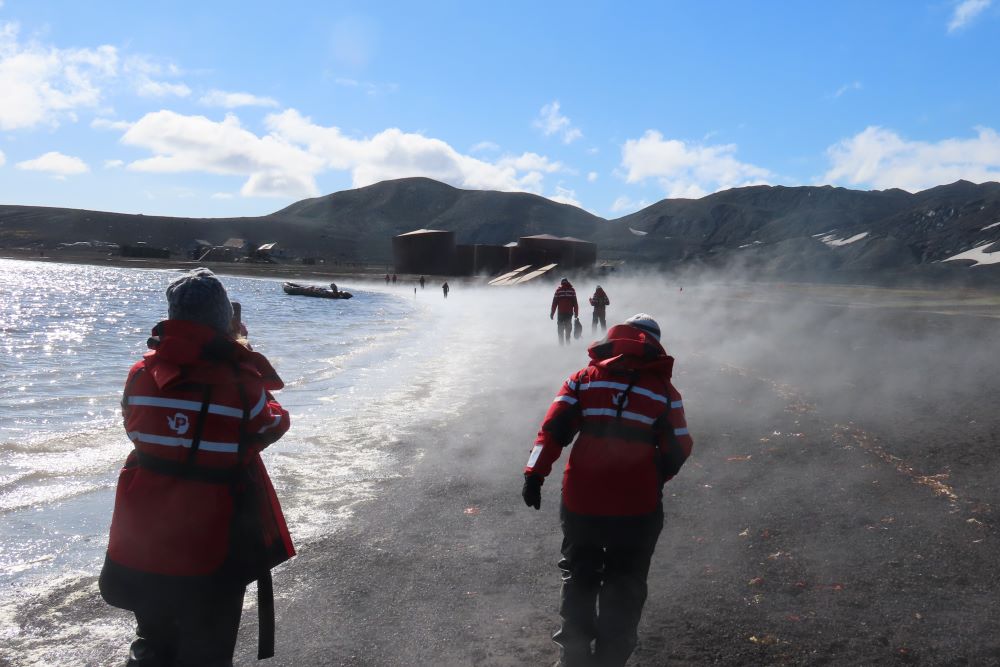
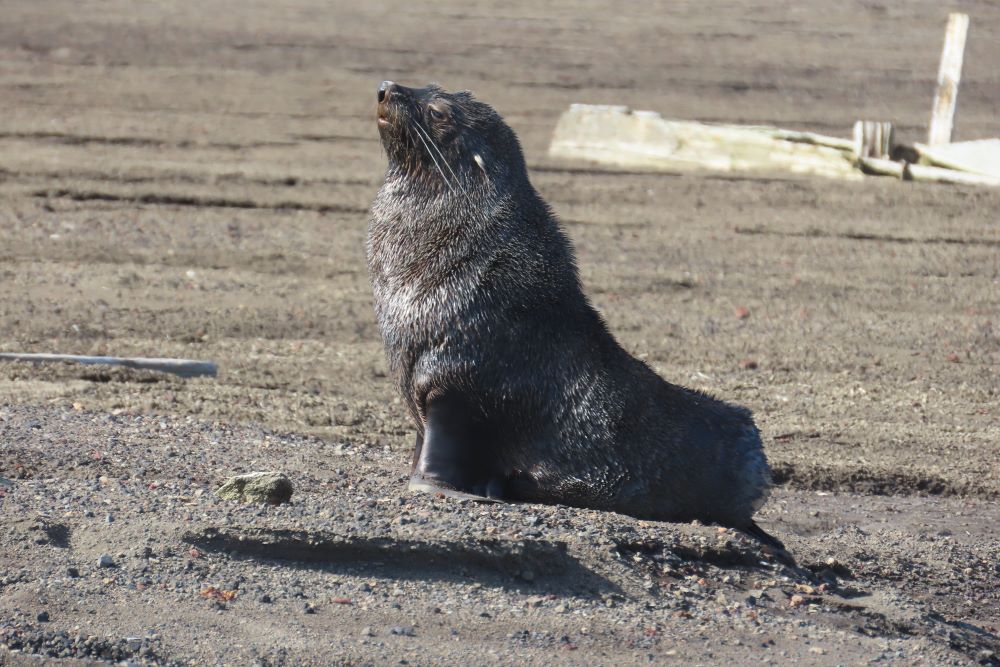
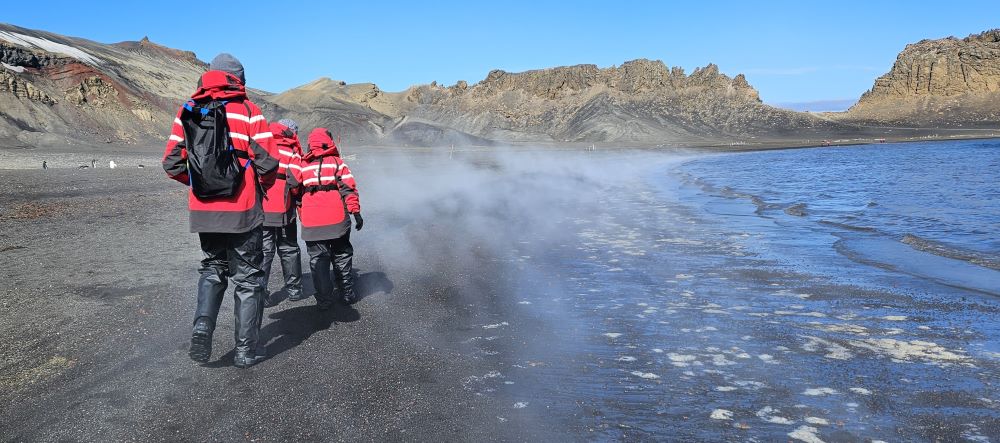
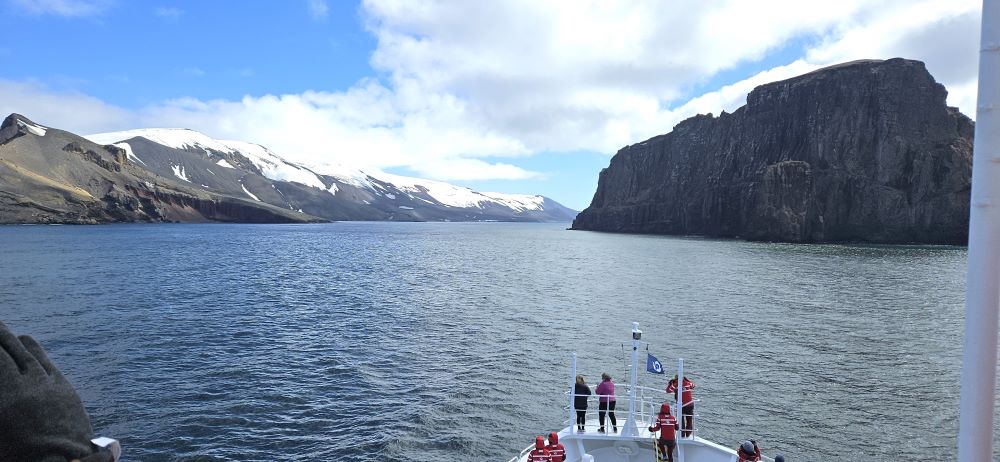
On January 21st, after completing our morning excursion to Half Moon Island (see yesterday’s post), and having another hardy lunch, we were ready to go back out on our zodiac.   The captain had moved the ship to Deception Island during our lunch break.  Deception Island is in the South Shetland Islands and is the caldera of an active volcano, which seriously damaged local scientific stations in 1967 and 1969.  Yep.  Our captain parked our ship on top of an active volcano.  When we left the ship and reached the shore, we could feel how warm the water was and see the steam.  The whole thing seemed pretty bizarre.  The island previously held a whaling station. It is now a tourist destination with over 15,000 visitors per year.  At least we aren’t the only crazy people that play on top of active volcanoes. Our guides did jokingly tell us that if we saw the water start boiling we should return to the ship.
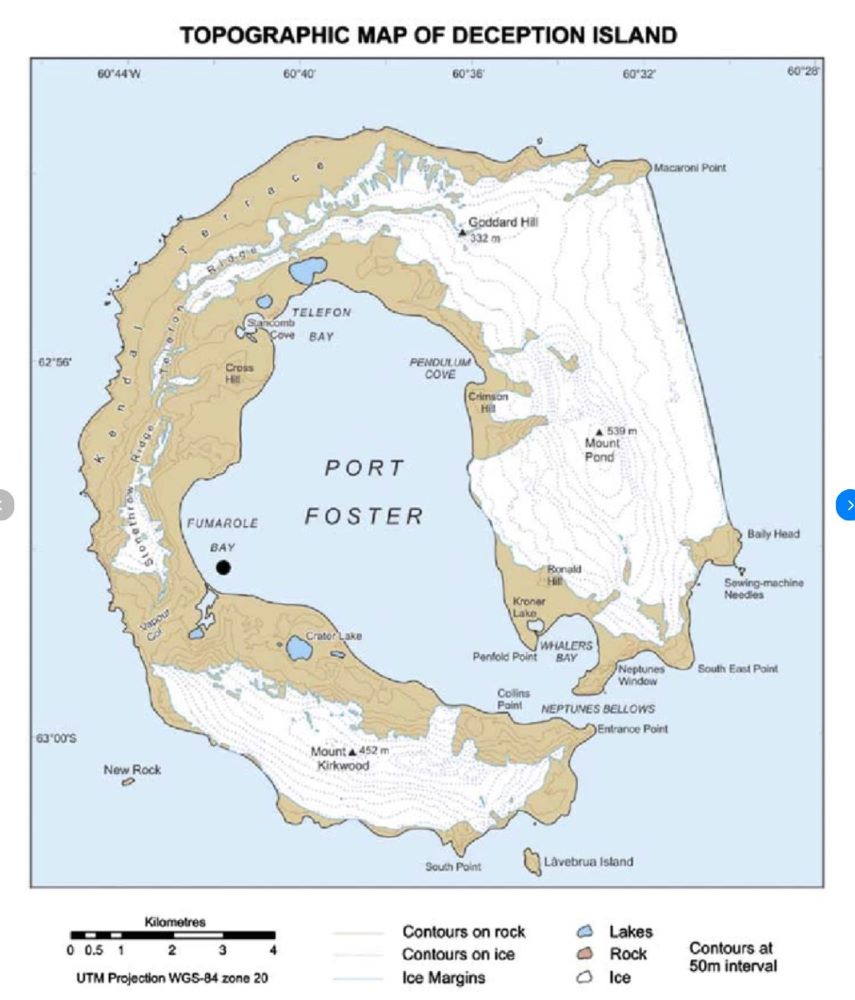
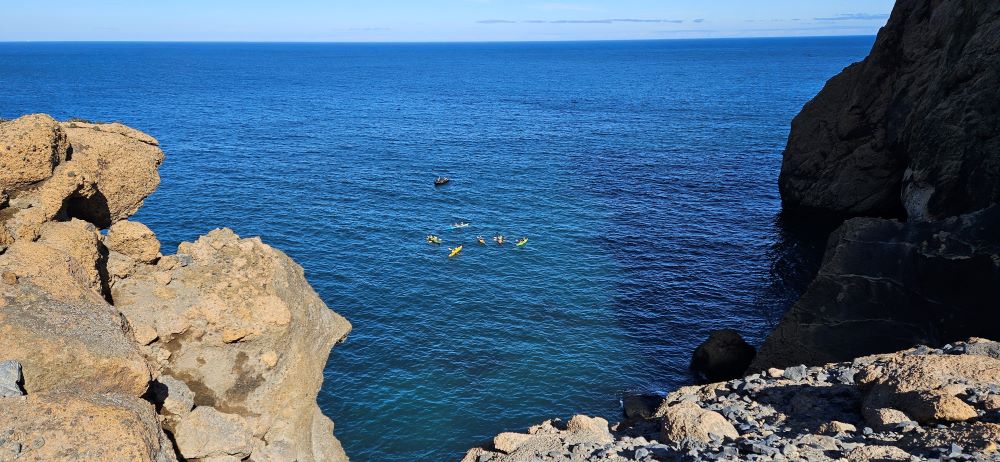
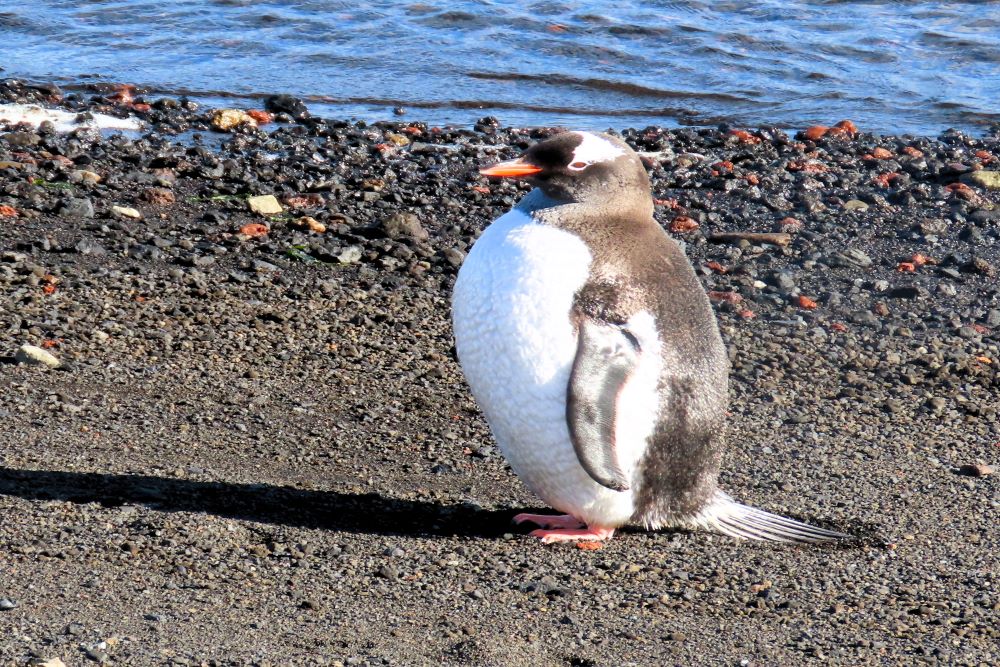
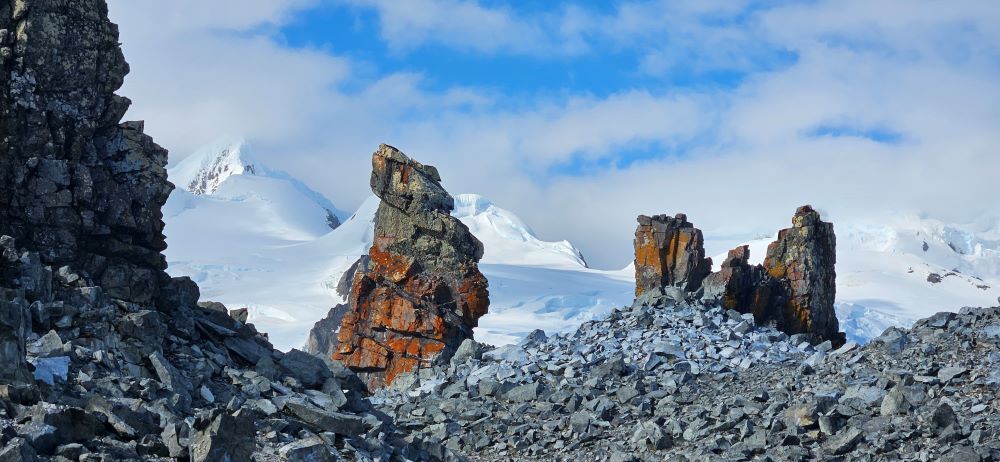
While at Deception Island we did a pretty strenuous hike up to Neptune’s Window. Beautiful view to the other side of the island.  We also saw a few more penguins – this time Gentoo.  Gentoo penguins are similar in size to the Chinstraps but have yellow/orange beaks and different markings.  They are the world’s fastest underwater birds. They can reach speeds up to 36kmph (22 mph). Another trait of the Gentoos is that they mate for life, and they have a unique courtship ritual where the young males give the females stones to show their interest.  This may be Anne’s favorite penguin.
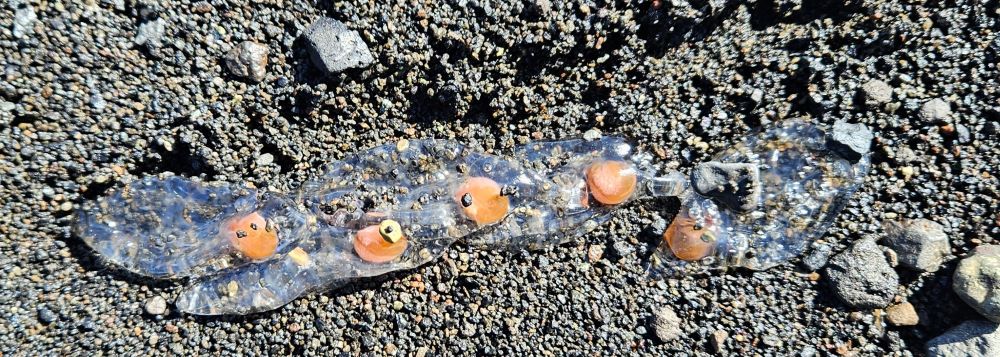
While on Deception, we kept seeing a clear “substance” that we did not recognize.  Our guide told us this was salp.  It’s a gelatinous creature that lives in the sea but is not related to the jellyfish.  Looks like it should be related, but we learned that it was more closely related to humans than to jellyfish.  Very strange looking creature.  At times they join together to make long trains and move thru the water together.  Officially, a salp or salpa is a barrel-shaped, planktonic tunicate.  It moves by contracting, thereby pumping water through its gelatinous body; it is one of the most efficient examples of jet propulsion in the animal kingdom.  We have seen and learned so many new things on this expedition.  We live in such an amazing world.
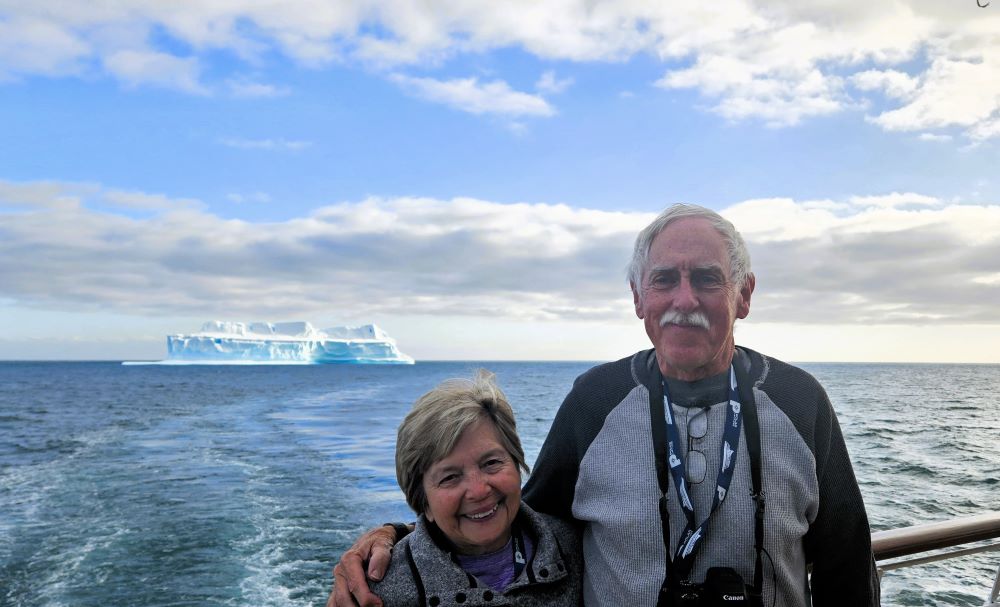
After dinner that evening the captain sailed the ship around a large iceberg. It was about a third of a mile long and a quarter mile wide. It showed about 120′ above water, which is usually only about 10% of its total volume. The water here is deep.

Half Moon Island

Friday, February 7, 2025

After an early breakfast on January 21, we were ready to board our zodiac for our first landing in Antarctica.  We went to Half Moon Island – which is still considered Antarctica even if it is an island.  The scenery was amazing.  The air was dry, not quite as cold because of the sunshine and everywhere you looked was more beauty and penguins. Half Moon Island is one of the South Shetland Islands in the Antarctica Peninsula region. It is a small island of only 420 acres.  The Argentine Navy occasionally operates a research base there.  They were not there when we were.

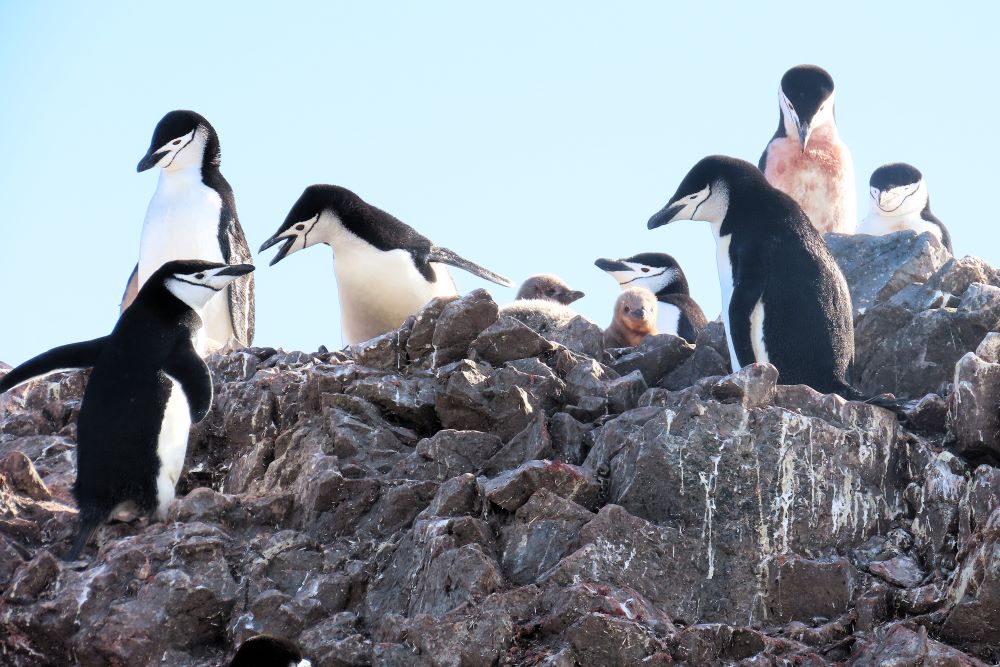
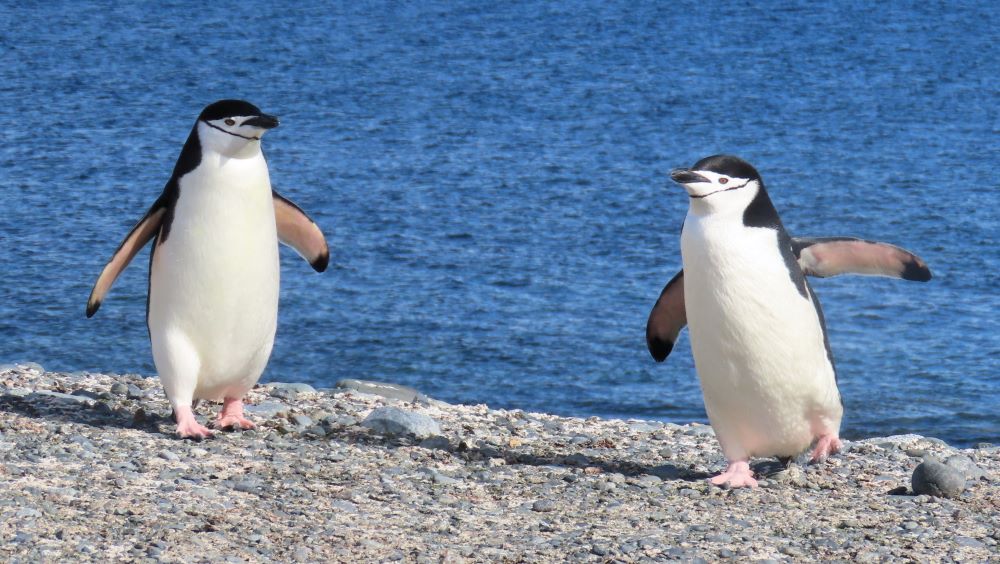
This morning we got up close with the chin strap penguins.  They are so cute. The name comes from the narrow band of black feathers that go from ear to ear just below the chin.  We tried to stay the correct distance away, but it was difficult because of their curiosity of us. The chin straps are an abundant species however, recent evidence suggests that the number of chinstraps is declining significantly due to reductions in krill, their main food.

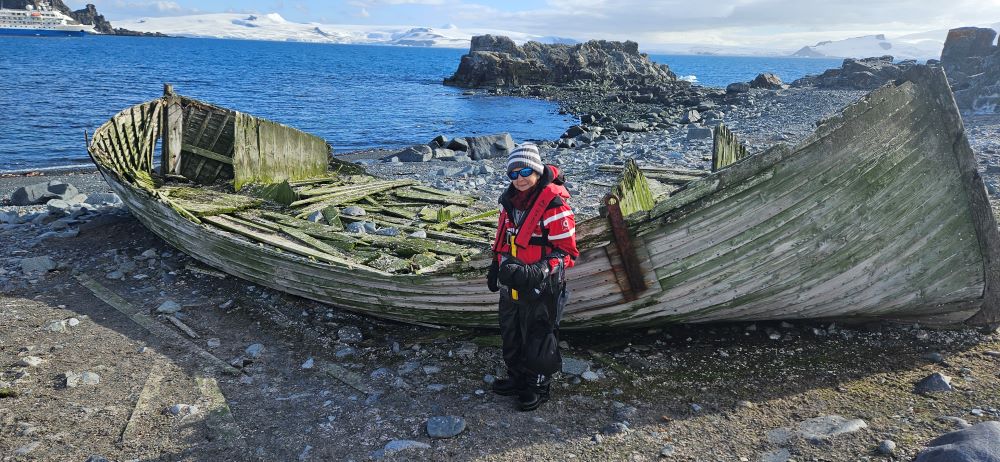
Half Moon was also where we were able to claim our only geocache in Antarctica.  We got several while in Argentina.  The geocache had to do with the abandoned boat just as we stepped onto the island.  One person told us it was an old whaling boat and another said it was a shore boat from a cruise ship many years ago, but… it was definitely an old abandoned boat.

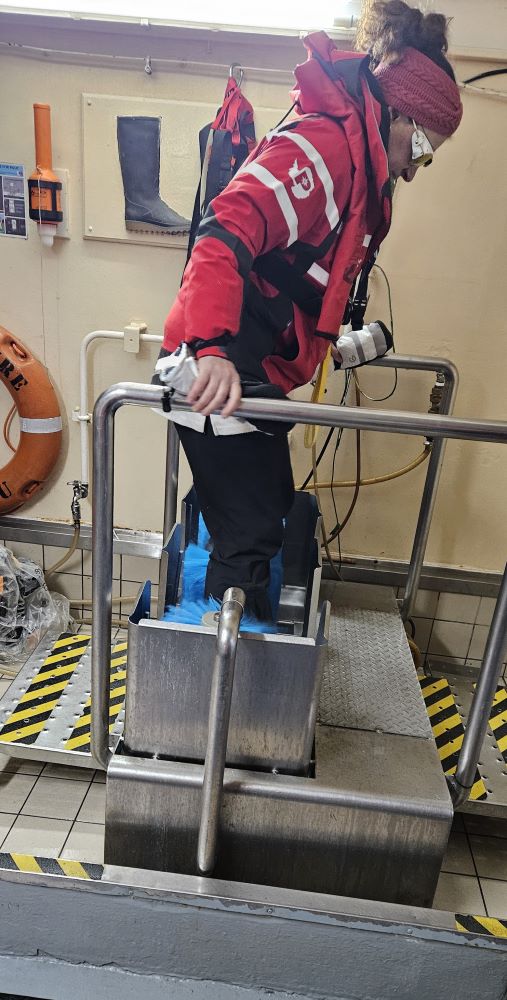
When we returned to our ship, we had to sanitize our boots and lower waterproof pants.  Our boots are the only things that can touch the land when we make a landing.  Everything is sanitized so that we don’t spread something to another colony on a later stop.

Whales and First Zodiac Cruise

February 6, 2025

(Continuation of our adventures on January 20, 2025)

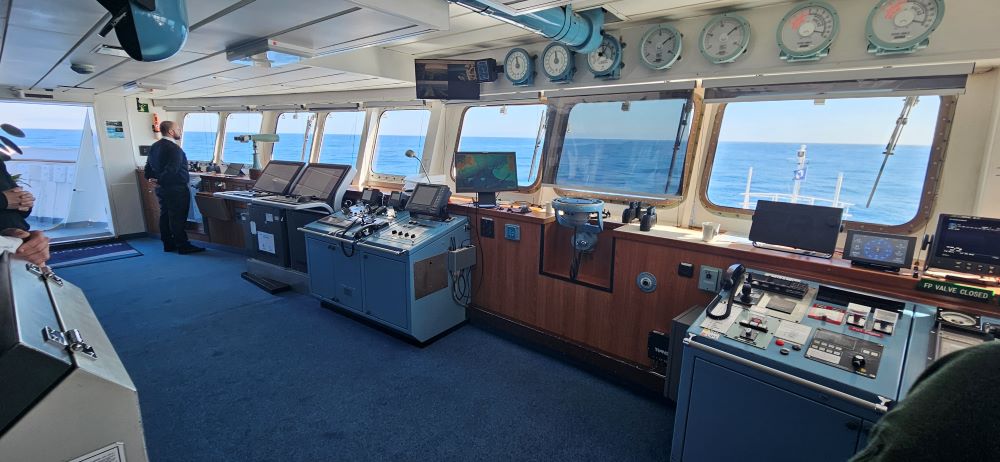
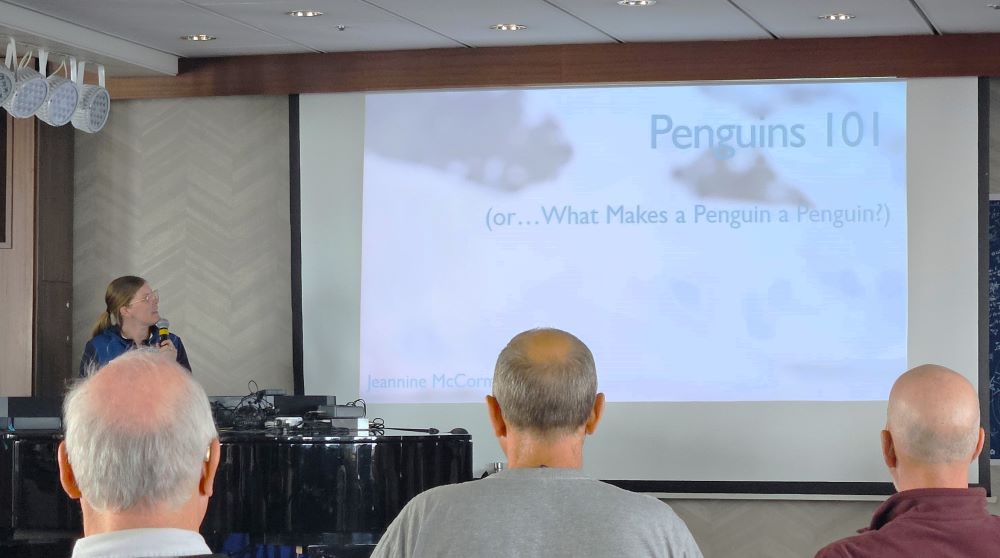
There were some fun things going on while we were in the Drake.  We had various classes we could attend.  The expedition staff were very knowledgeable and even though we had done some research before embarking on our adventure we learned lots.  There were specialists in penguins, whales, and other sea birds as well as a historian on all things Antarctic. When things began calming down from our passage, the crew were able to open the decks and we could visit the bridge and watch our Captain and crew at work.  Our Captain and crew were all from Croatia and he sometimes for fun he called his crew the Croatian Mafia.  They were all very nice and thankfully very competent and most concerned about our safety and enjoyment of our cruise.

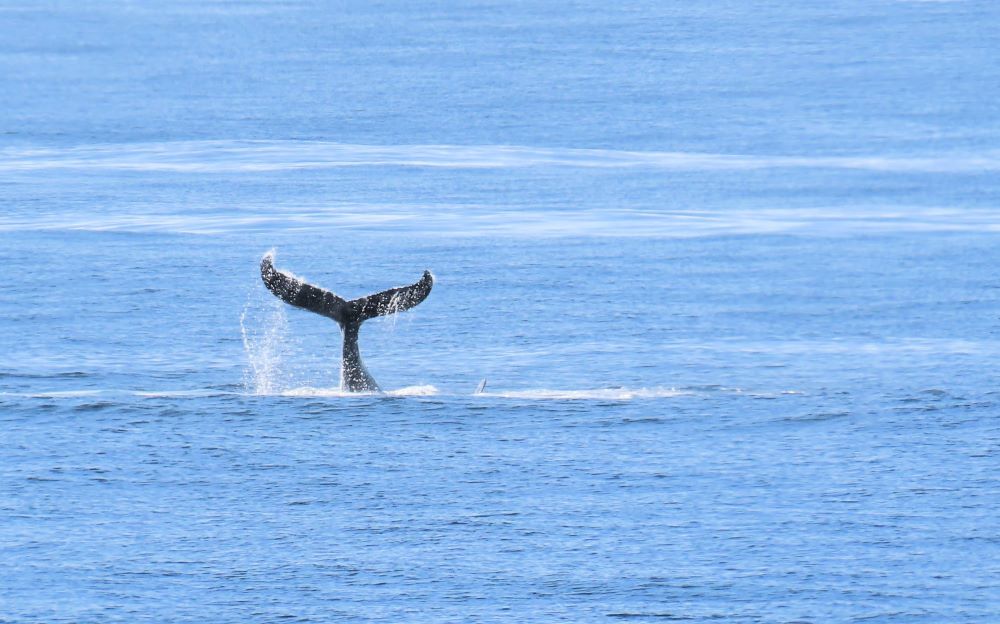
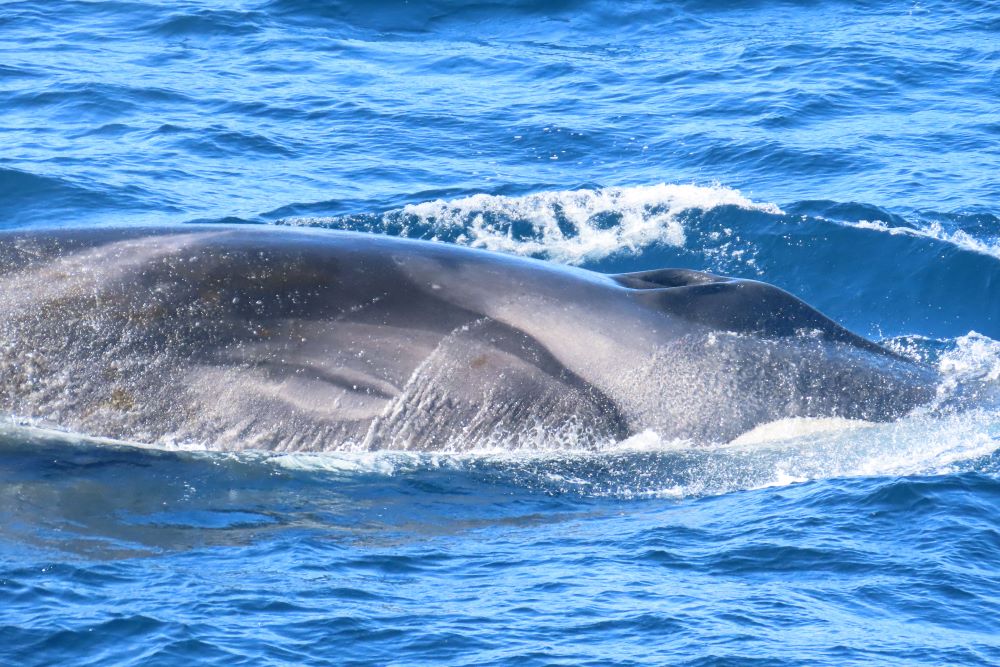
With the decks open, we could be outside watching for whales, birds, dolphins etc.  We were so excited when we saw our first whale blow.  Then, we saw fin whales, humpback whales and a blue whale that came up right beside the ship.

Blue Whales are massive.  They are the largest animals to have ever lived on earth.  The Antarctic blue whales are generally larger than other blue whales, weighing up to 330,000 pounds and 110 feet long.  The females are larger than the males.  They are named for their gray coloring which appears light blue underwater. We did not realize what a very special event it was that we got to see this amazing creature. After all the excitement, we learned most of our guides had never seen a blue whale and one had seen 3 previously in his 14 years of guiding.  Blue whales are now on the endangered list.  They generally swim at about 5 miles an hour but can accelerate to more than 20 miles an hour for short bursts.  They are also among the loudest animals on the planet emitting a series of pulses, groans and moans, that in the right conditions can be heard by other whales up to 1,000 miles away. Click here for the National Oceanic and Atmospheric Administration web site for blue whale sounds.

God created such an amazing world for us to take care of.   We constantly thanked God for allowing us to have this experience.

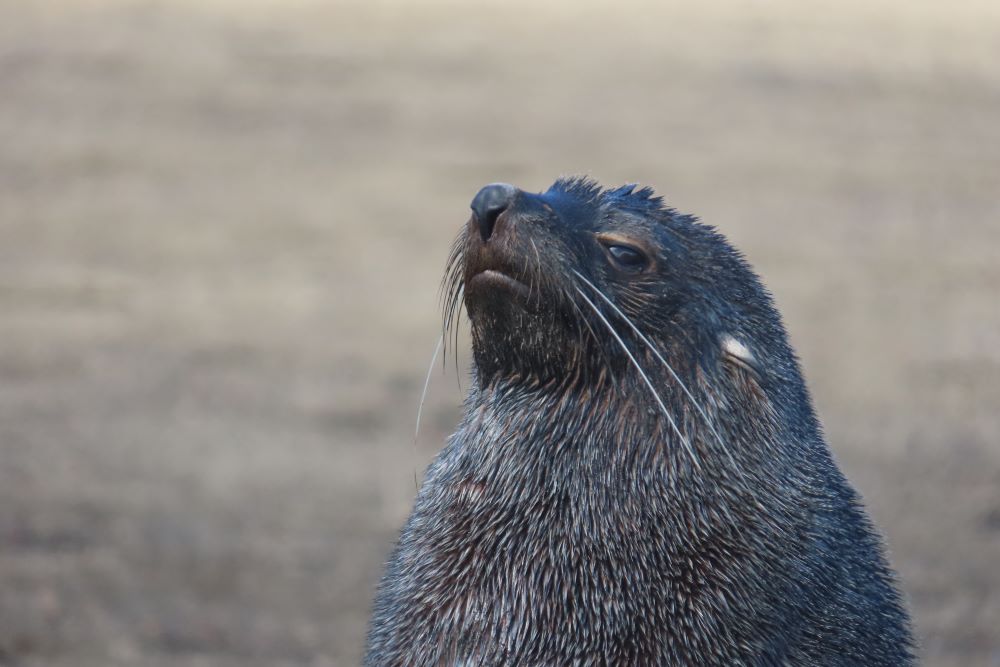
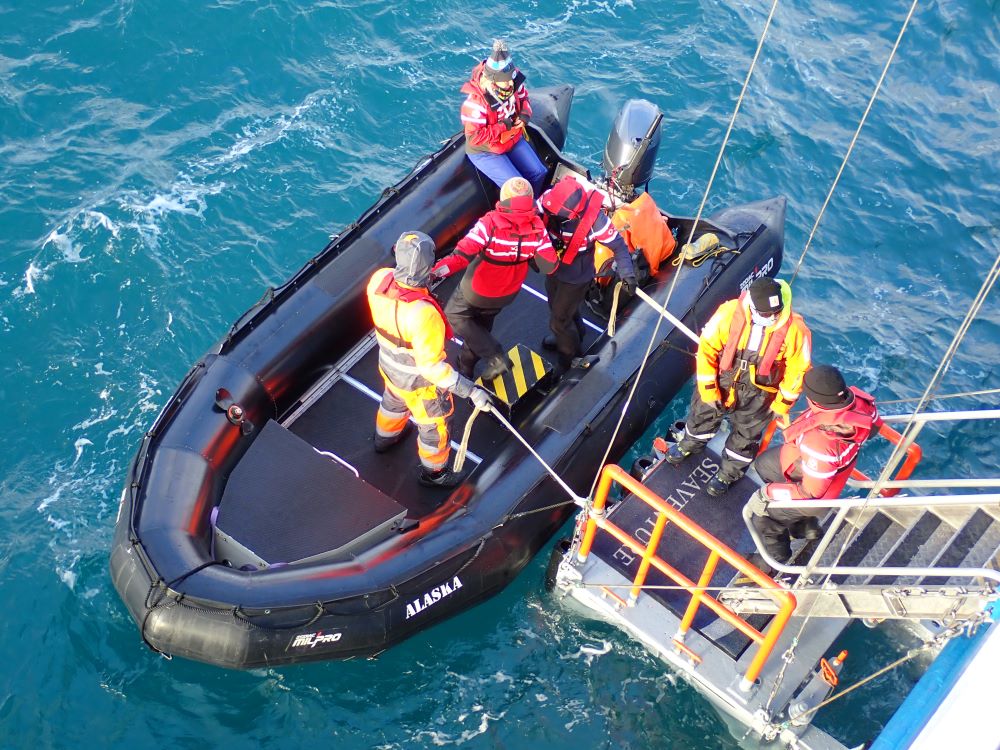
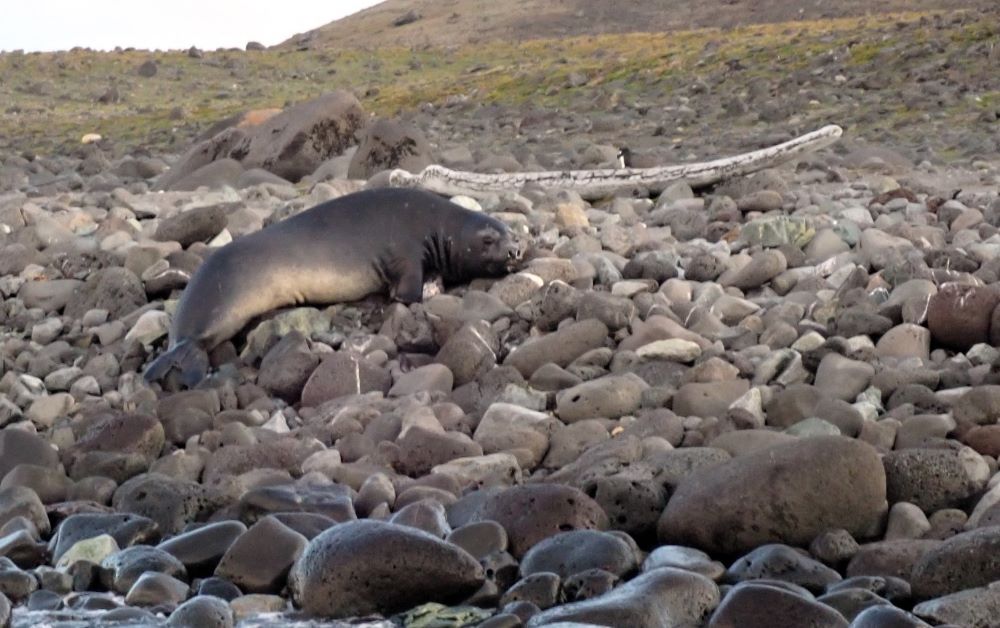
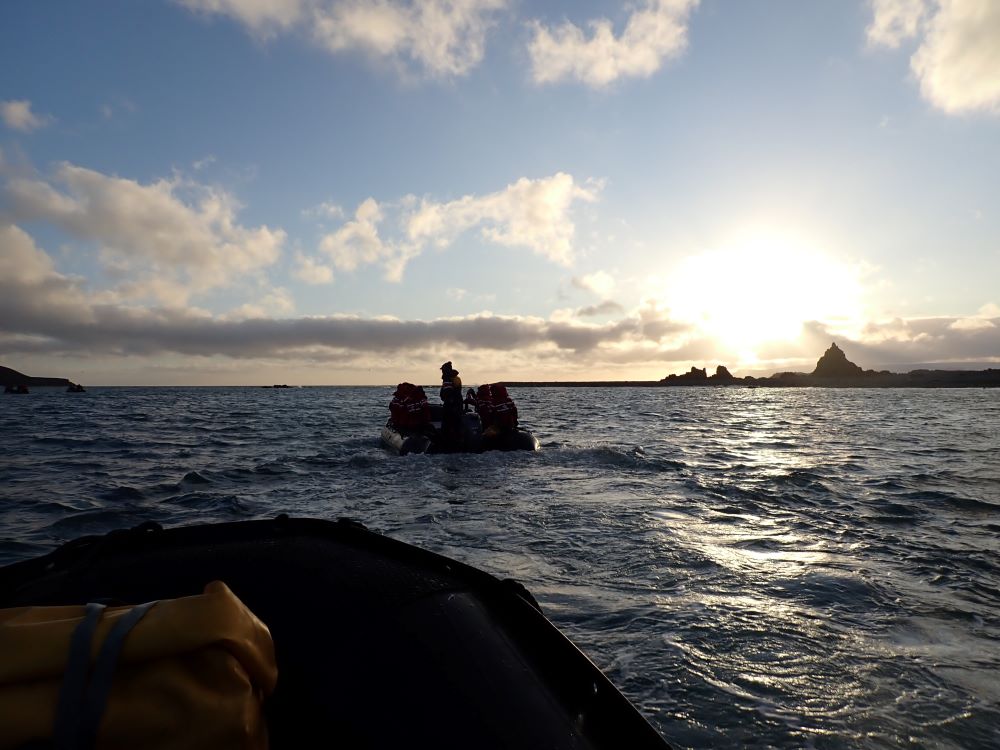
After dinner on January 20, we were able to board our zodiacs for the first time. It doesn’t get dark until about midnight – so why not.  There would be no shore landing this time, but we learned how to board our zodiacs and go see neat things.  Again – so exciting – and a little scary.  We went out to Penguin Island at Turret Point in the South Shetland Islands and were able to see elephant nose seals (so ugly they are cute?), Antarctic fur seals, and chinstrap penguins – so very cute.  It was a very busy and exciting day.  On returning to the ship we collapsed into bed.

The Drake Passage

February 4, 2025

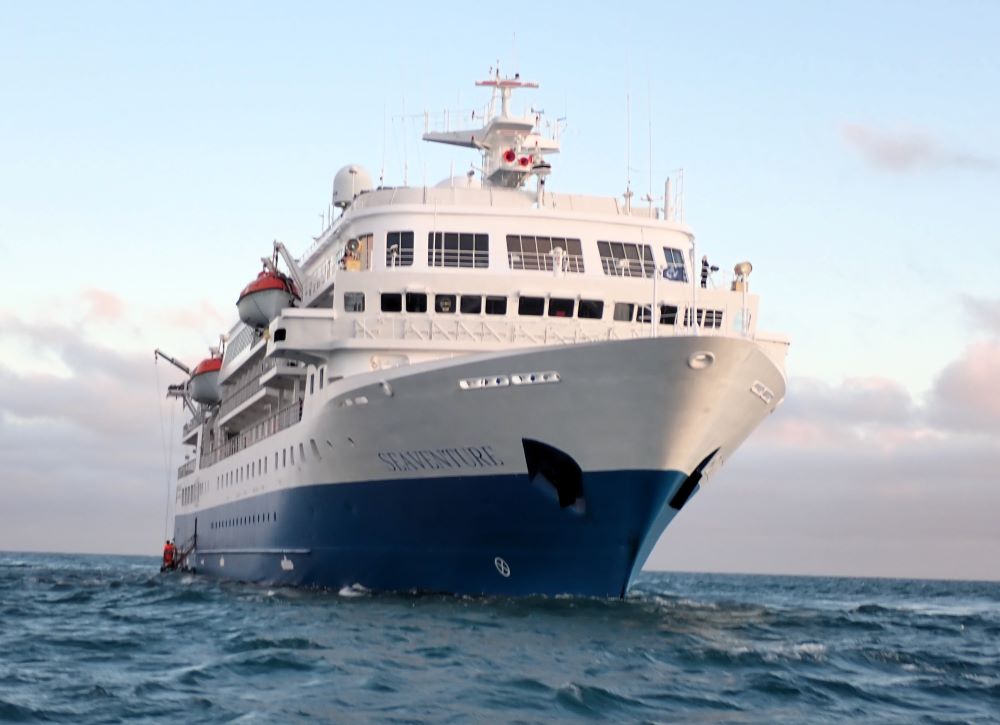
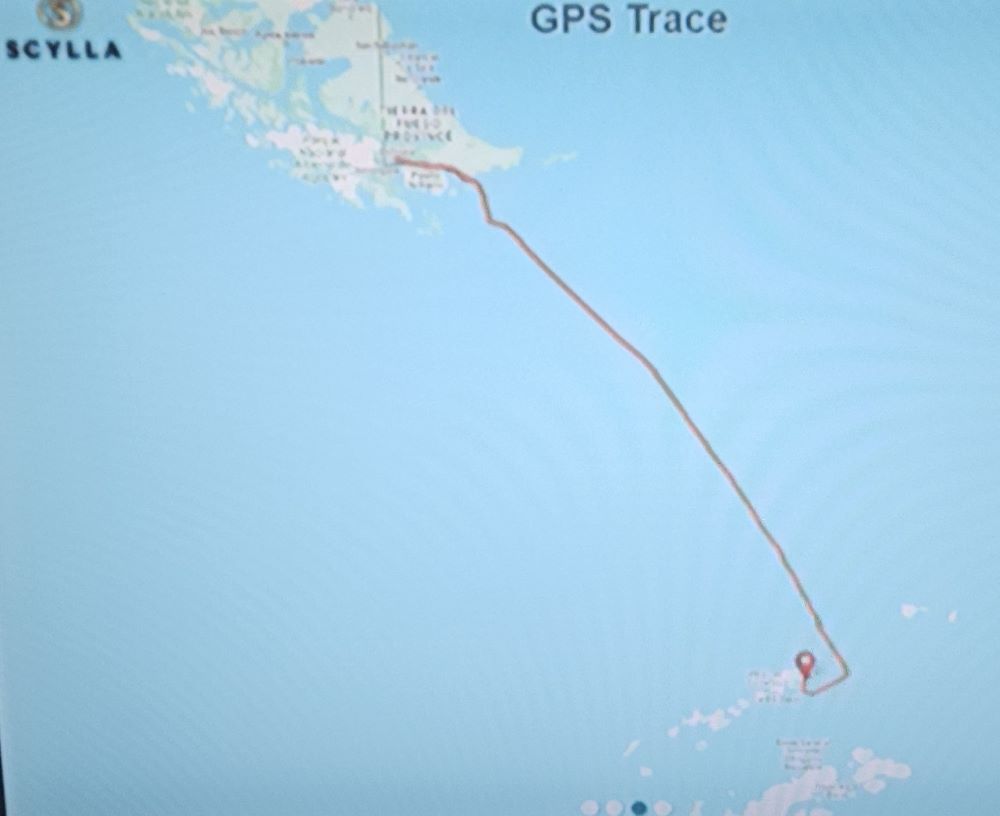
As you remember from the last post, we left Ushuaia at 6:15 pm on January 18th headed out into the Beagle Channel traveling east for about 60 miles toward the Drake passage.  We had another briefing and were prepared for the weather to deteriorate as we neared the Drake.  The Drake was forecast to be swells below 5 meters and winds below 30 knots.  We had another wonderful dinner, made sure we all continued to take our meclizine to prevent sea sickness and went to sleep.

So, what’s the big deal about the Drake.  The Drake Passage, usually a two day journey, is considered one of the roughest and some would say, THE ROUGHEST waterway on Earth.  This reputation comes primarily because of the powerful currents created by the collision of cold Antarctic waters with warmer northern waters, combined with strong, unimpeded winds from the Southern Ocean that encounter no landmass to disrupt their flow, resulting in large waves and turbulent seas. More than 800 ships are believed to have sunk in the Drake Passage.  This has resulted in the deaths of over 20,000 sailors. The crossing of the Drake is a whole adventure of its own.

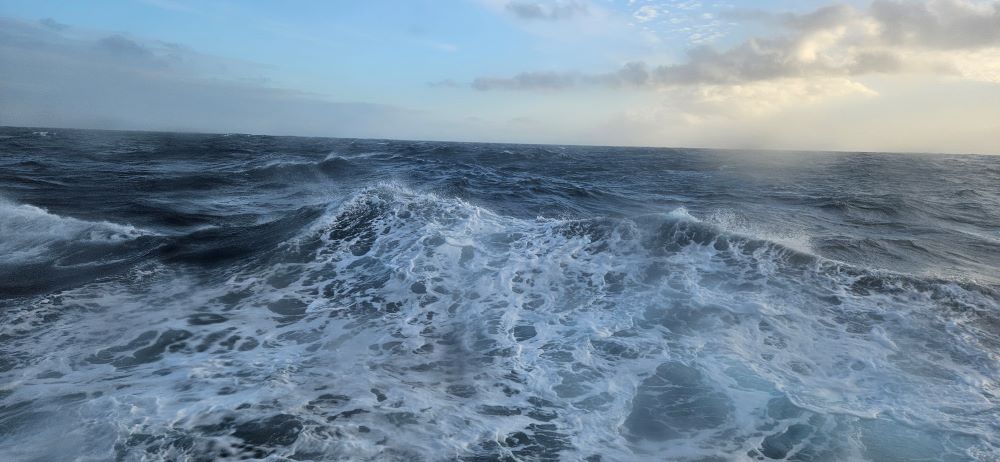
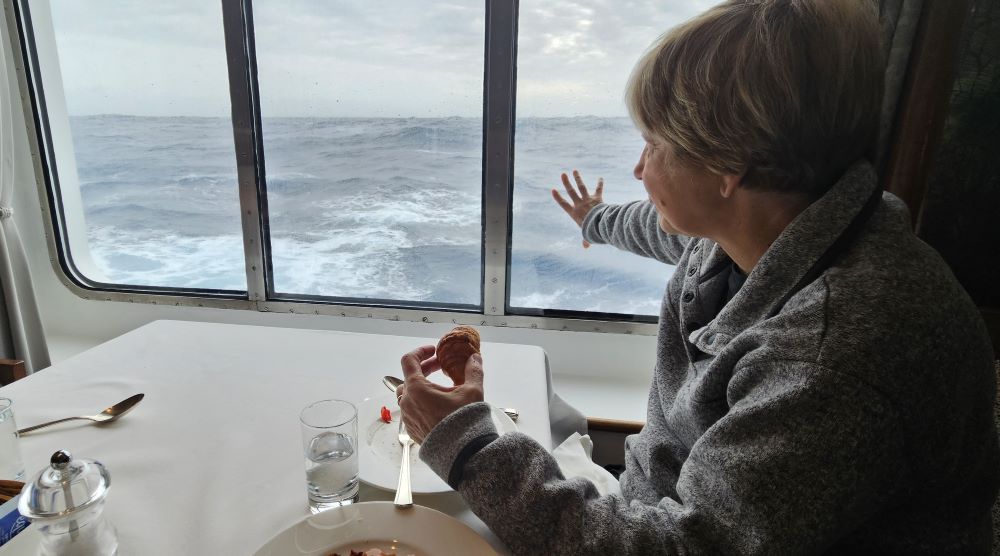
All expedition cruise ships must cross the Drake to reach the 7th Continent and modern expedition cruise ships are well equipped to tackle the crossing . Almost all have underwater stabilizers to reduce the rocking and rolling on heavy seas and have the latest technology to follow the weather.  Depending on the weather, you might encounter the “Drake Lake” (very smooth) or the “Drake Shake” (what we encountered.)  Our ship was equipped with stabilizers, but we still felt the waves – a lot. We did go to sleep as usual after making sure everything in our state room was secured.  This was not much different from securing things for a travel day in the RV.  We were both awakened shortly before midnight feeling the ship being tossed around but we didn’t fall out of bed and went back to sleep.  By morning there really was no improvement.  We were having 20 foot waves at times.  We were holding to railings as we went to breakfast.  At breakfast we were holding onto our plates so our food wouldn’t end up on the floor.  At afternoon tea and treats there was a big crash when a stack of dishes hit the floor.  Over the next 24 hours there were those who fell out of bed and out of chairs when we would have a larger wave.  We finally completed our crossing on the 20th and thankfully the meclizine worked and we were not sick.  At 7:10pm we first spotted land.  Not yet Antarctica, but the South Shetland Islands and they were a beautiful site!  We survived the Drake and it’s fury, no worse for the experience.