By the time we had finished dinner on January 24th, the ship was on its way out of the sheltered waters back into the Drake Passage – sooner than we expected – so we had not started our motion sickness medicine early enough. Fortunately, the Passage was smoother this time – not Drake lake but definitely smoother.
We spent the next two days sailing northward to a warmer climate. In addition to more wonderful meals, the expedition staff provided us with more education sessions and activities. We have had a wonderful voyage. The Captain and all his guys on the bridge did an excellent job keeping us safe and positioning the ship so we could get all the photos we wanted. The housekeeping staff took exquisite care of us and our state rooms, always being so careful to tidy everything up while we were at meals. The chef and his crew were amazing and spoiled us with any little extras we might like. The expedition crew and zodiac drivers were great at spotting wildlife, birds and beautiful scenery so we could get the best pictures and always answered all our questions. It’s been a trip of a lifetime!! Huge thank you to Polar Latitudes. Can’t recommend them enough.
In one of our educational sessions the presenter displayed a life-sized replica of a snowy albatross.
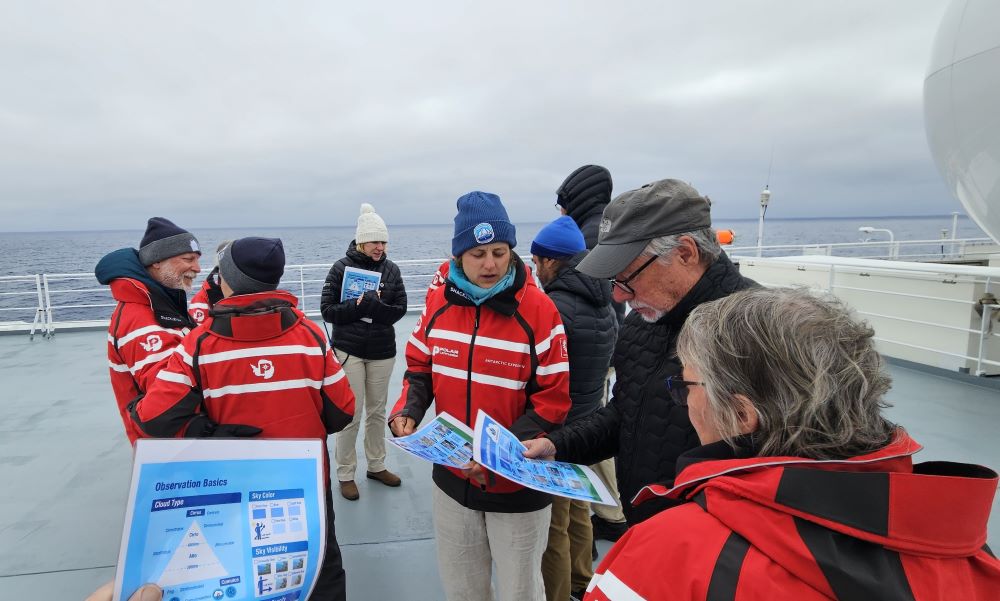
One of the citizen science activities was observing and reporting clouds at the same time a weather satellite was overhead.
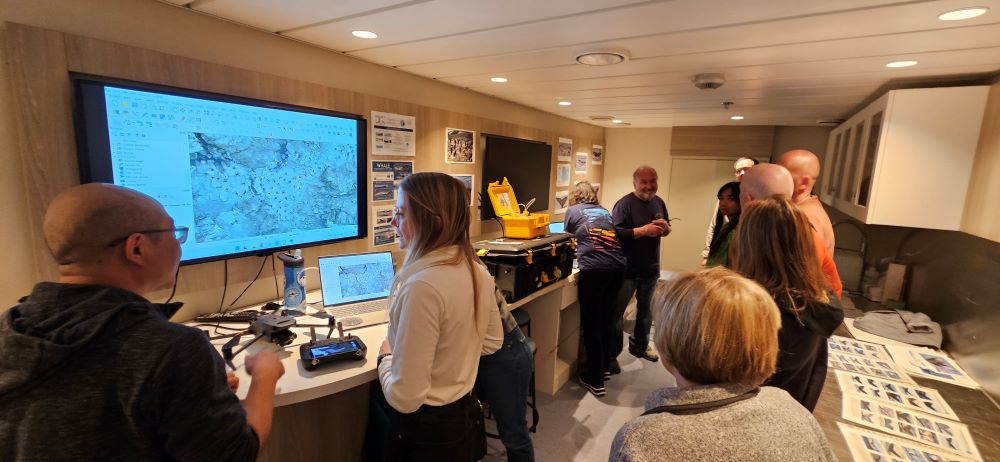
This is the science lab on board. The penguin counters and whale observers used it.
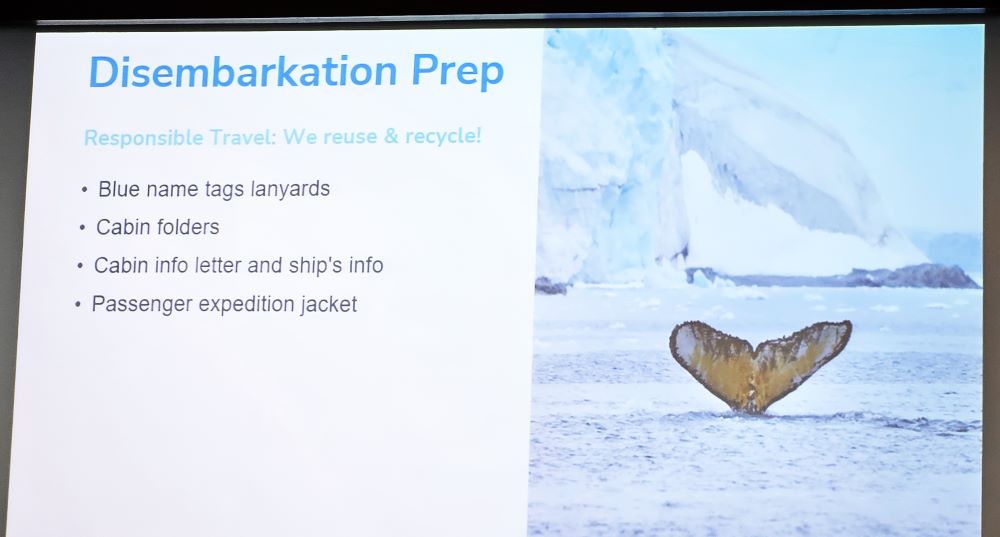
The staff wanted to make sure we were well prepared to leave the ship – on time, because the next group of passengers started loading about 8 hours after we left.
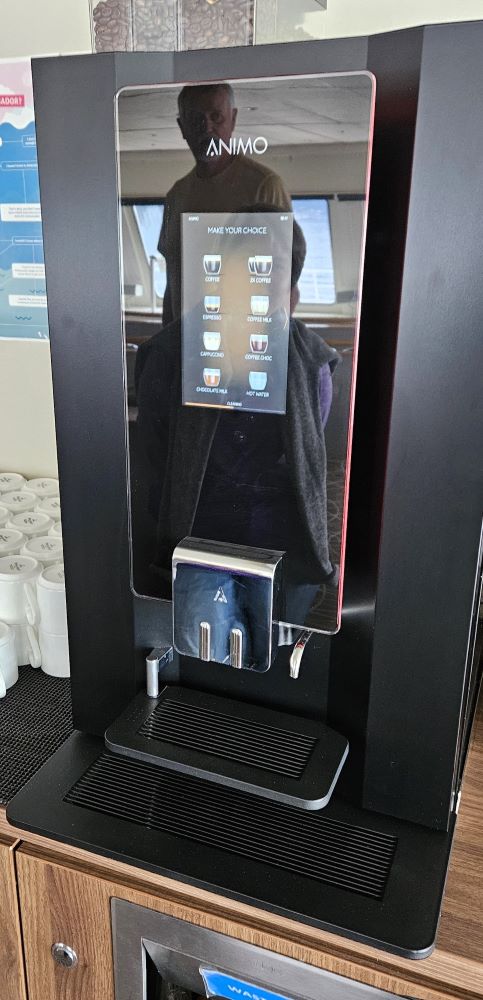
This coffee/hot chocolate that we used frequently would not fit in our luggage.
The ship had many pictures from cruises in other parts of the world. This was one of our favorites.
We arrived back in Ushuaia around 5pm on the 26th. After one more night on board we disembarked the ship the next morning around 8am. Since our flight to Buenos Aires was not until that evening Polar Latitudes arranged to store our luggage downtown, so we were free to walk around town one last time. We bought a few more souvenirs, had lunch in Ushuaia and then called our Uber for a trip to the airport. The trip is not quite over yet because we have one more day to explore Buenos Aires.
Smooth sailing back in the Beagle Channel
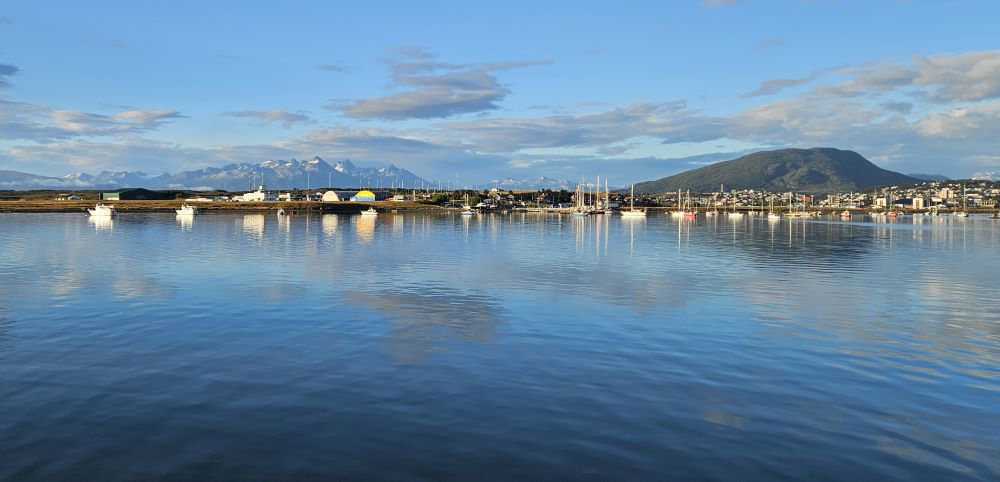
Entering Ushuaia Harbor
The GPS track of our voyage
Lobster thermidor for our last dinner on board
Dessert for our last dinner – key lime pie
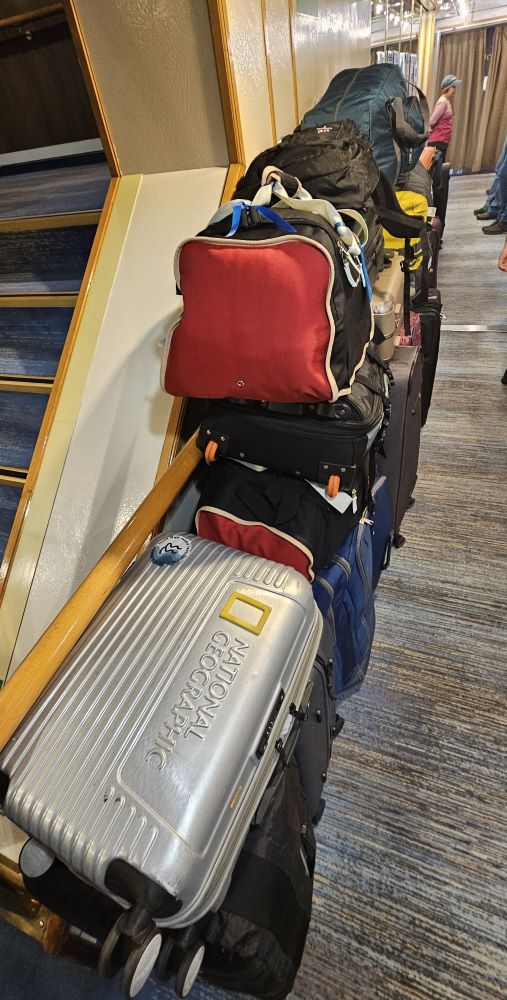
We had to have our luggage tagged and ready first thing in the morning.
On January 24 we were again up early. We know we were very blessed that we didn’t sleep in sleeping bags on Antarctica last night because this morning there was ice on all the walkways and handrails of our ship and it was still very foggy. The Captain had everything cleared of ice quickly so we could safely be out on the decks. We were able to again see whales out for their morning breakfast. Such massive creatures. Love to listen to them blow.
By the end of the trip we made a habit of getting up early to look for whales.
Cuverville Island
Zodiac cruise to Cuverville Island
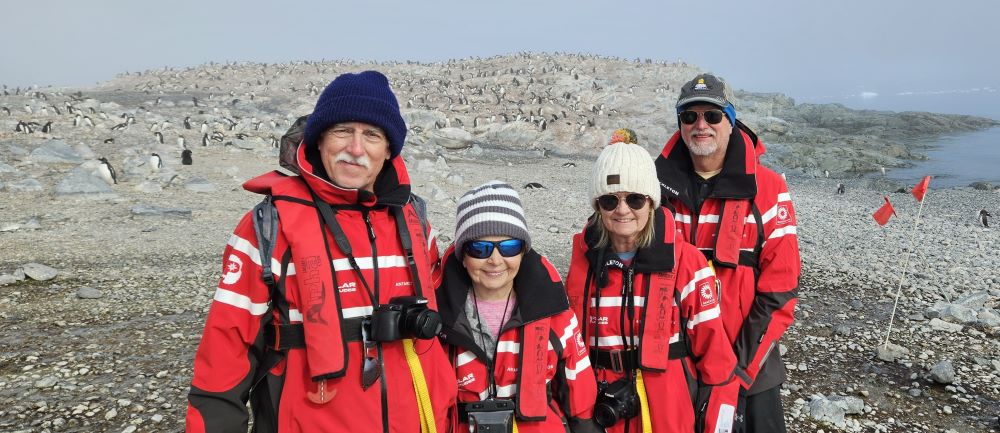
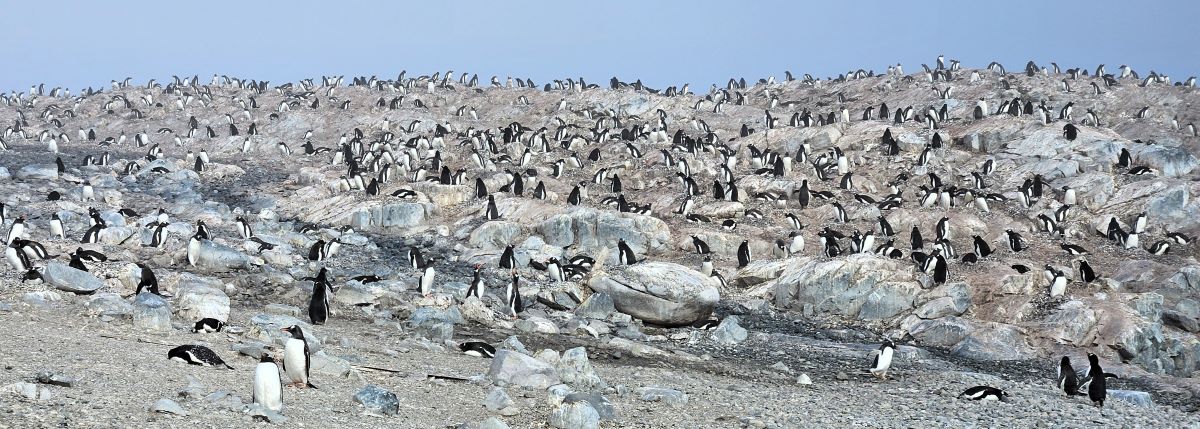
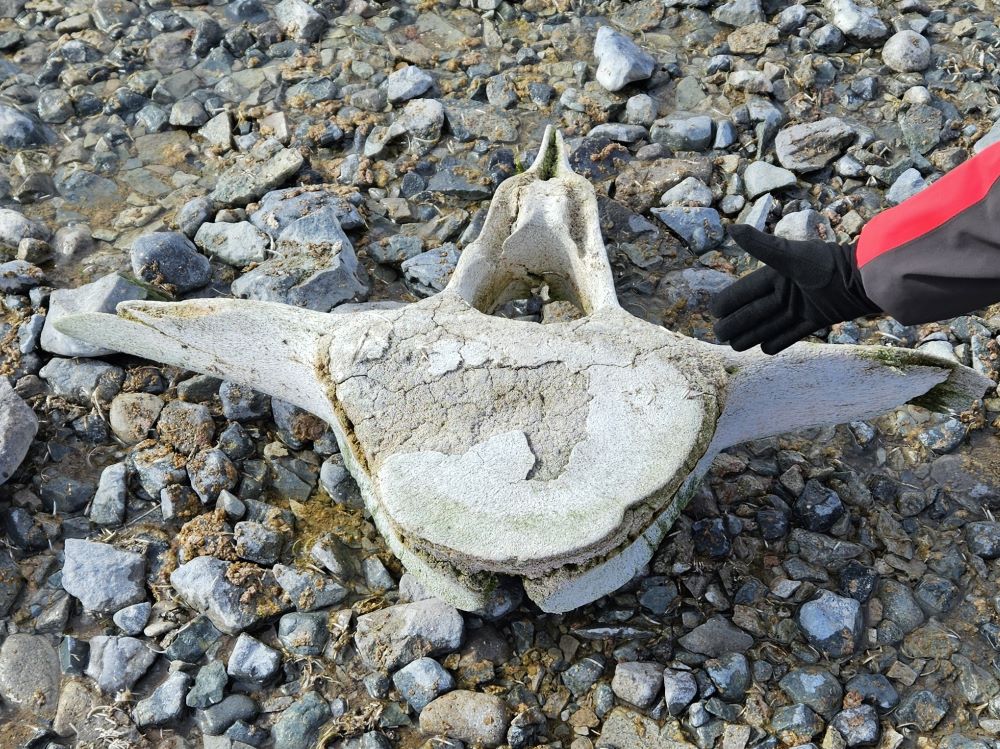
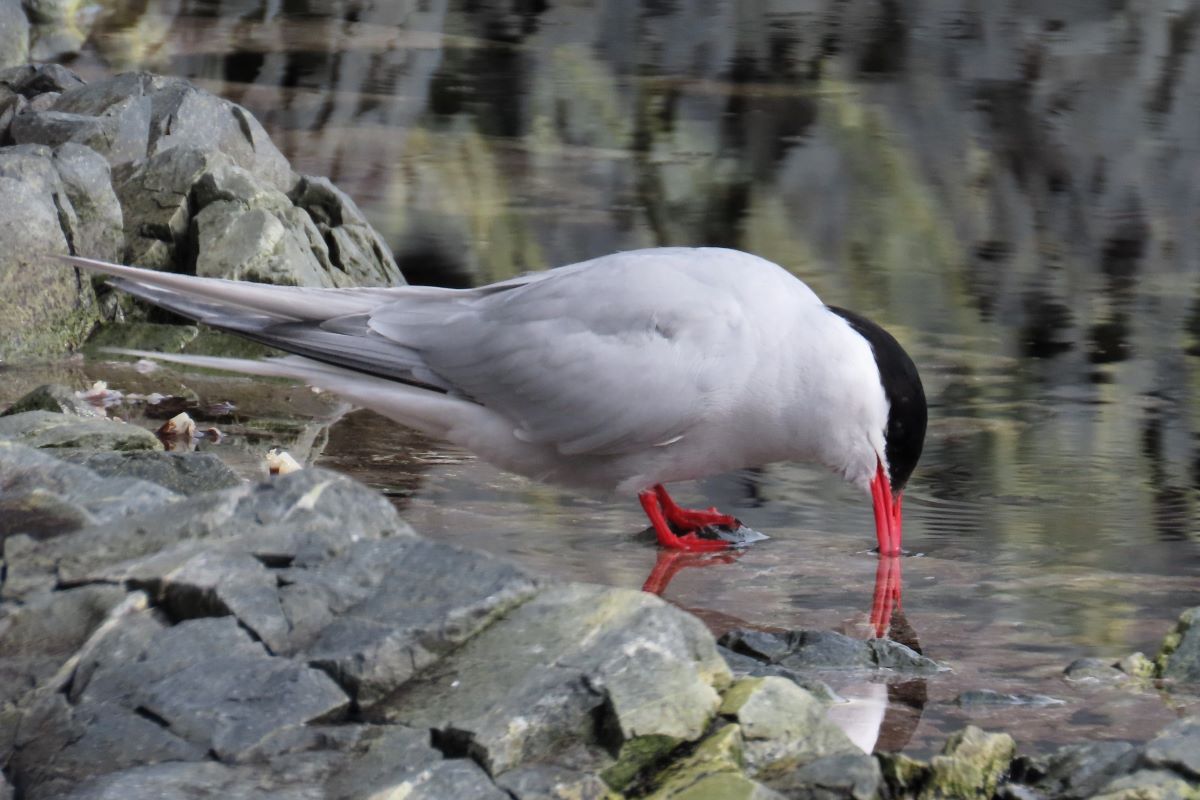
Today, in some ways, is a sad day. It is our last full day in Antarctica. Time has flown. We were again out for our morning landing, this time at Cuverville Island – our last landing. Cuverville Island is a dark, rocky island lying in Errera Channel. Two thirds of the island is covered in a permanent ice cap. This island has also been identified as an Important Bird Area (IBA) because it supports a breeding colony of about 6,500 pairs of gentoo penguins – the largest colony for this species on the Antarctic Peninsula. We were very blessed to be able to visit here because it was just reopened to visitors the day before. It had been closed due to concern about Avian Influenza but was cleared and reopened. Other birds nesting at Cuverville include southern giant petrels, Antarctic Shags and Arctic Terns – all birds that we certainly were unfamiliar with prior to this trip and all very beautiful. There were massive whale bones on shore from previous whaling expeditions, and of course, many, many penguins.
Zodiac landing on Cuverville Island
Our last shore landing in Antarctica
Gentoo penguin nest. Notice the pebbles we mentioned yesterday.
Part of the gentoo colony
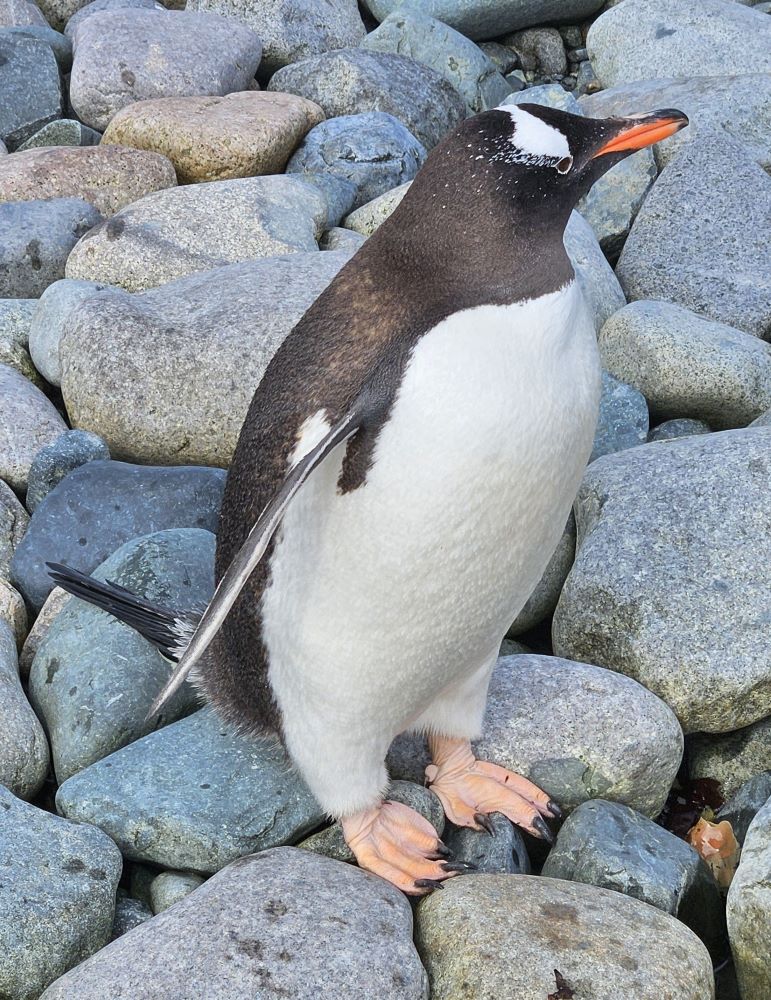
The penguins on Cuverville Island do not fear humans and will walk right up to them.
This will give you an idea of the size of a whale vertebrae.
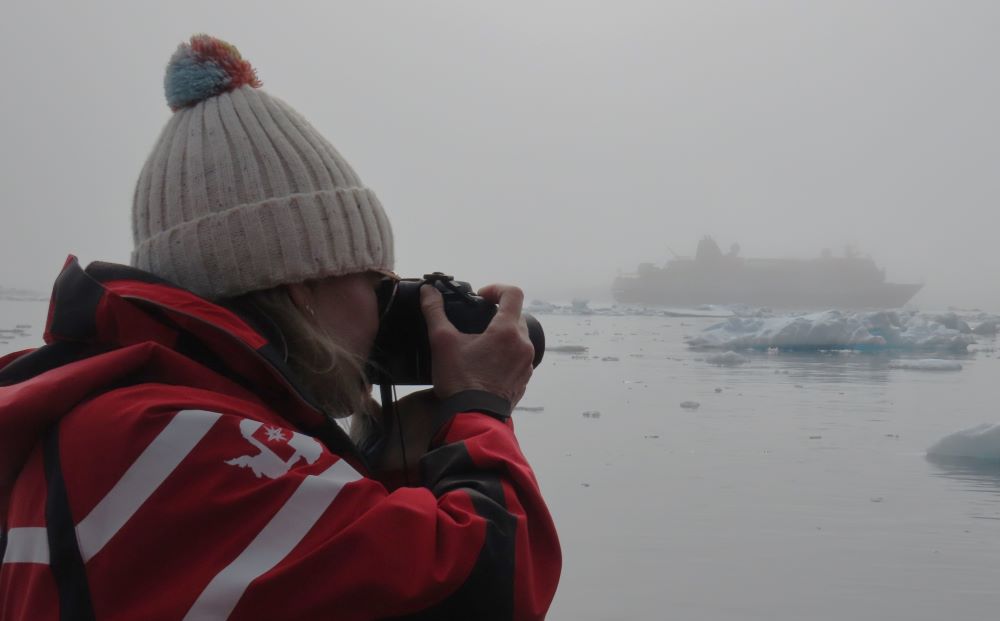
It was a foggy trip back to the ship from the island.
The Arctic Tern migrates back and forth from the Antarctic to the Arctic twice a year – up to 25,000 miles a year.
This one walked right by us and into the water.
Aren’t they cute?
Fournier Bay
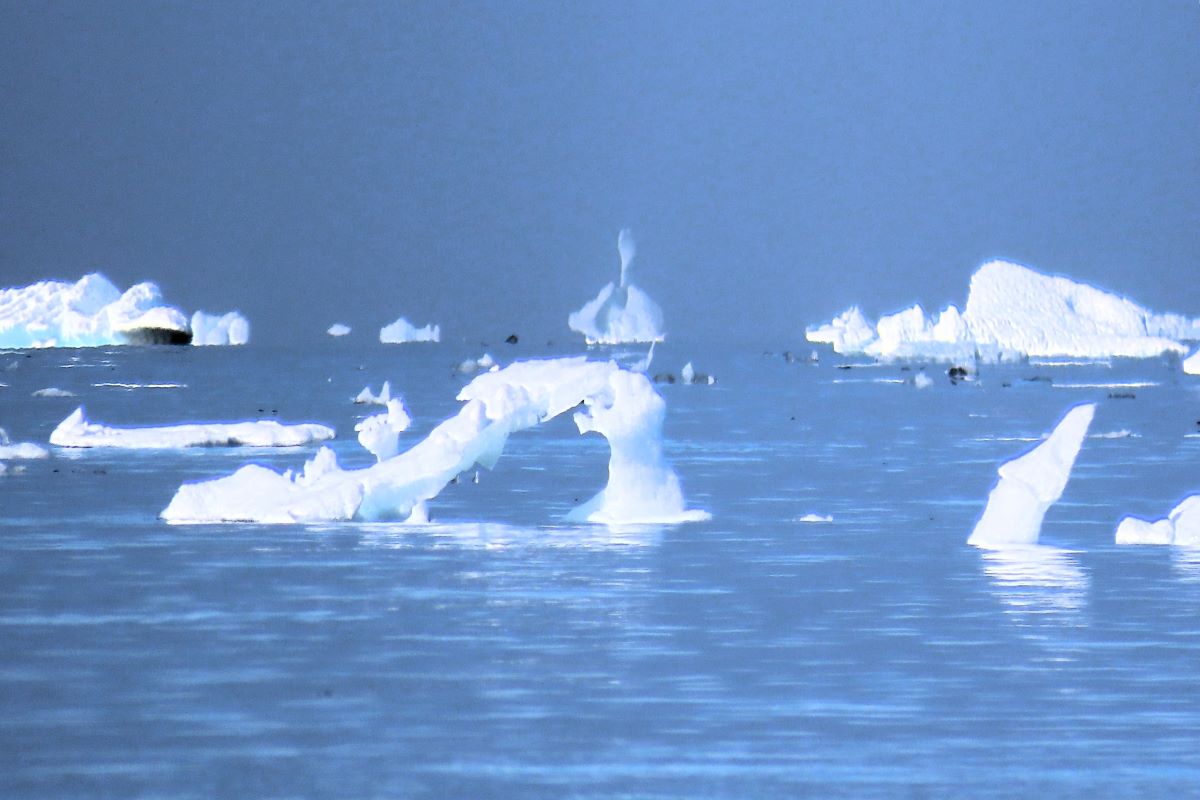
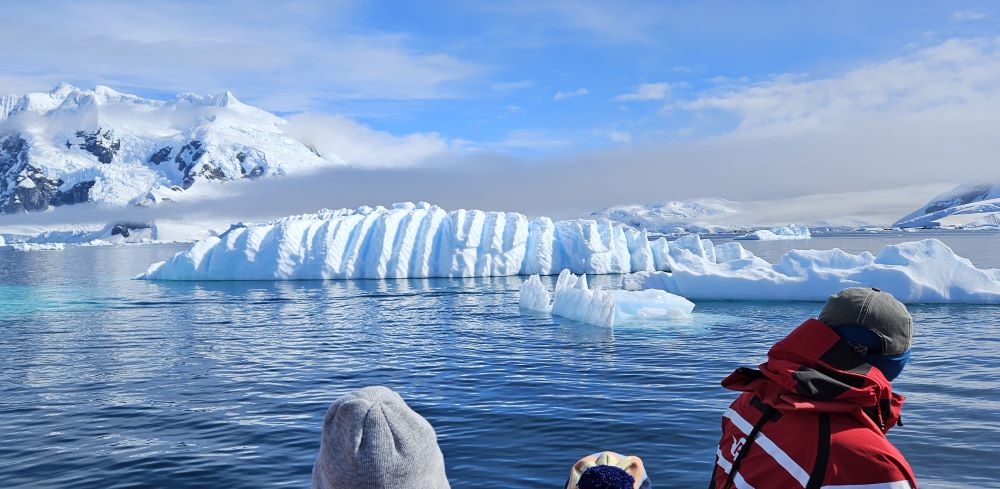
Too soon it was time for lunch on the ship. After repositioning to Fournier Bay, we had another afternoon zodiac cruise. The sun came out although there was still some fog around too. We were told that this was normal here. Fournier Bay measures about 8 x 3 nautical miles (15 x 6 km) and is known for having a large population of whales which are attracted to the extensive colonies of krill. There is no place to land due to the rugged shoreline but there was so much beauty as we navigated around the beautiful icebergs. We saw several seals of various types, birds, black ice, blue ice as well as amazing icebergs. The icebergs vary from some that are almost lace-like to all sorts of formations, to some that are just massive.
Our last zodiac ride
Why it’s called a leopard seal
Is it yawning or laughing at us?
Seal floating on small block of ice
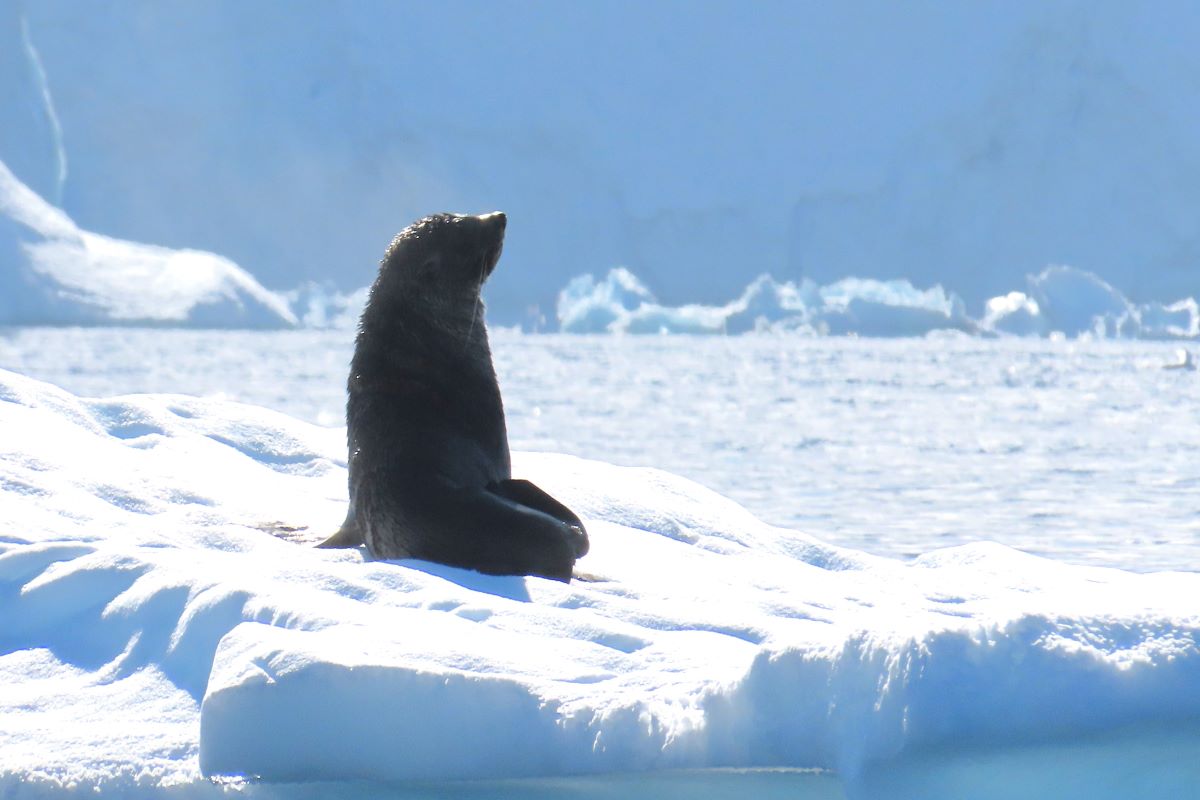
Fur seal
The whale we saw in Fournier Bay
Our zodiac driver was fascinated with black ice. She said this block of ice was probably over a thousand years old.
One of many interesting icebergs
Delicate iceberg
Endless shapes of floating ice
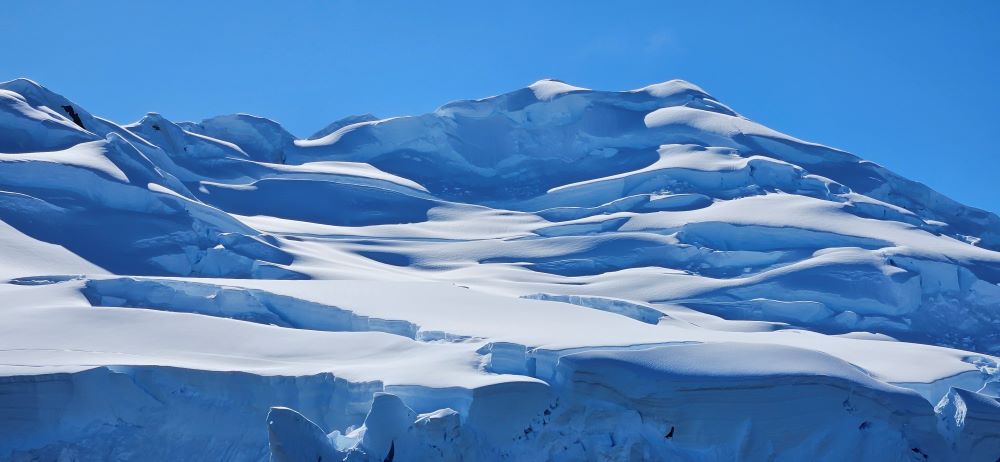
One of the magnificent views in the bay. This ice shelf looked like ski slopes – except for the bottom.
A panorama of the beauty of Fournier Bay
The leopard seal from a moving zodiac
Back on the Ship
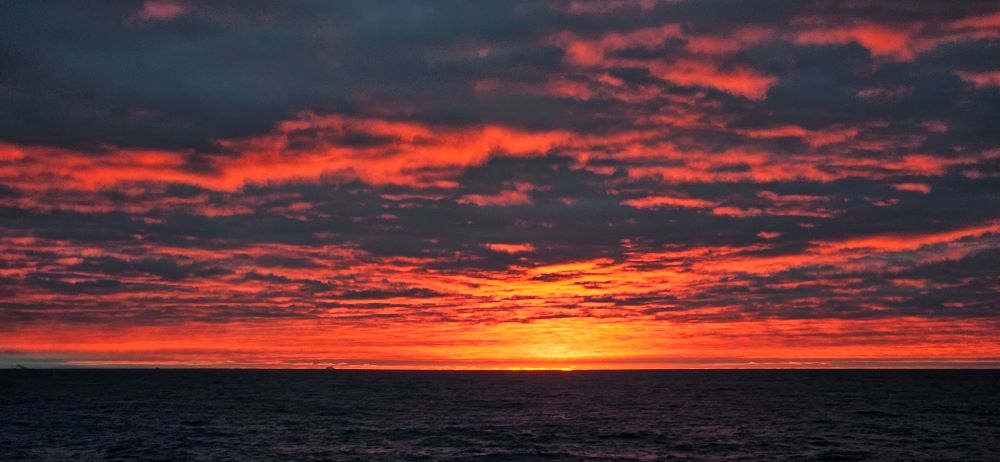
It almost brought tears to return to the ship this afternoon – our last outing. We had another wonderful dinner then the crew – including our cooks, servers, guys in the engine room, everyone – put on an amazing talent show, with singing, magic, dancing, you name it. It was great. No more tears. Then we walked outside and saw the most gorgeous sunset imaginable. Thank you, God, for letting visit this place!!
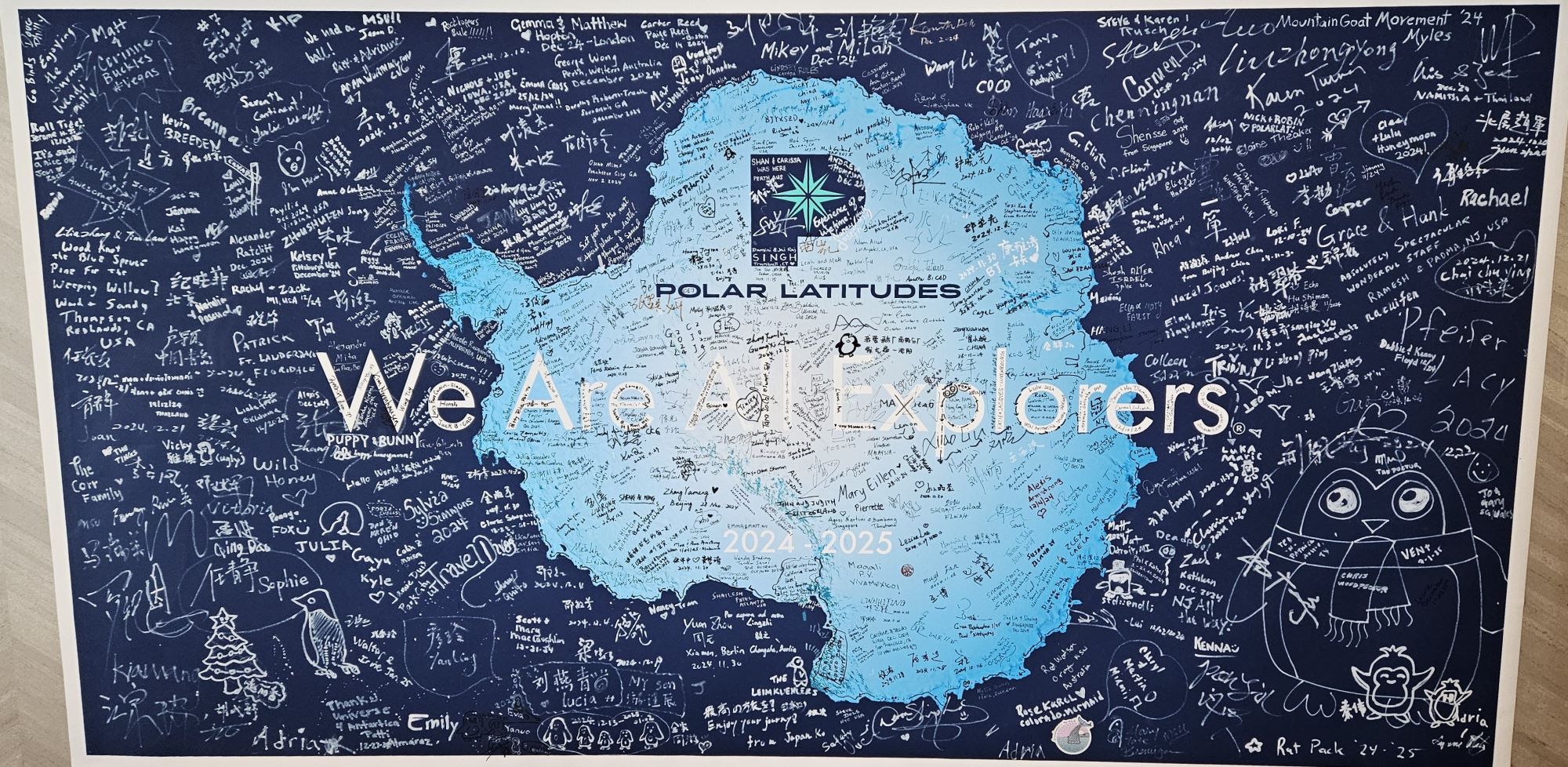
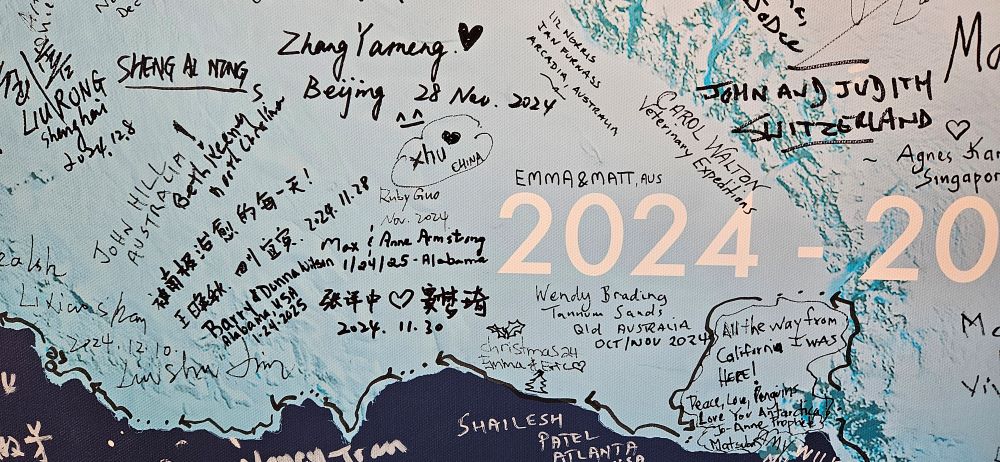
This map is on the wall of the lounge and passengers were invited to sign it.
January 23rd was another beautiful day in Antarctica. It began with us being up around 6AM, out on the front deck of our ship, watching whales and sipping hot chocolate. What a way to start the day!
The chef has a sense of humor.
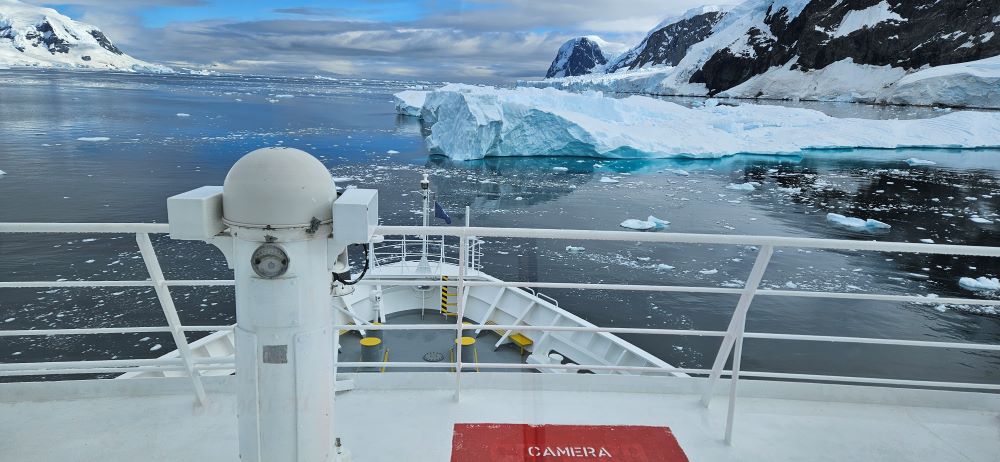
Morning view from the ship
We never get tired of seeing whales.
This morning we were blessed to see a pod of whales feeding nearby.
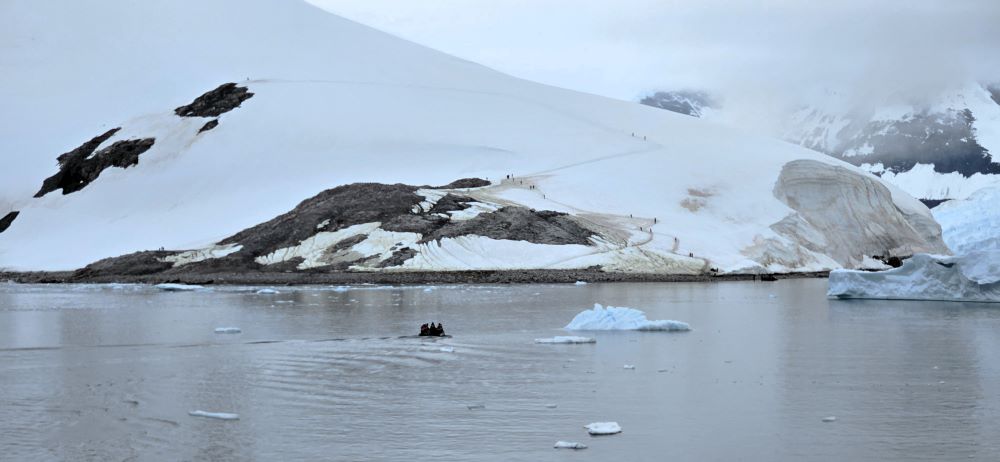
Following another delightful breakfast, we proceeded in our zodiac towards our morning destination at Neko Harbor. We had another large colony of Gentoo penguins entertaining us here. They are just so much fun to watch. We had two of the penguin researchers with us “professionally” counting penguins and their nests. Neko Harbor has been classified as an important bird and biodiversity area because it supports a breeding colony of more than 250 breeding pairs of gentoo penguins that nest on the hill near the beach to avoid risk of being washed away by the large waves frequently generated from the calving of the nearby glacier. We hiked up toward that glacier making sure we were avoiding the penguin highways. At the top this was the one place where we were allowed to sit down in the snow, relax and just soak in the views. On this landing, back down at a lower level, and around a curve, there was a quiet zone – an area where everyone would refrain from talking and just listen to the sounds of Antarctica. (The penguins were never quiet.) Our quiet zones were designated by the crew at various locations on various days just to remind us to be quiet and try to take it all in. “Taking it all in” when in such a massive, beautiful, and totally knew to us environment was pretty much impossible – but we did our best.
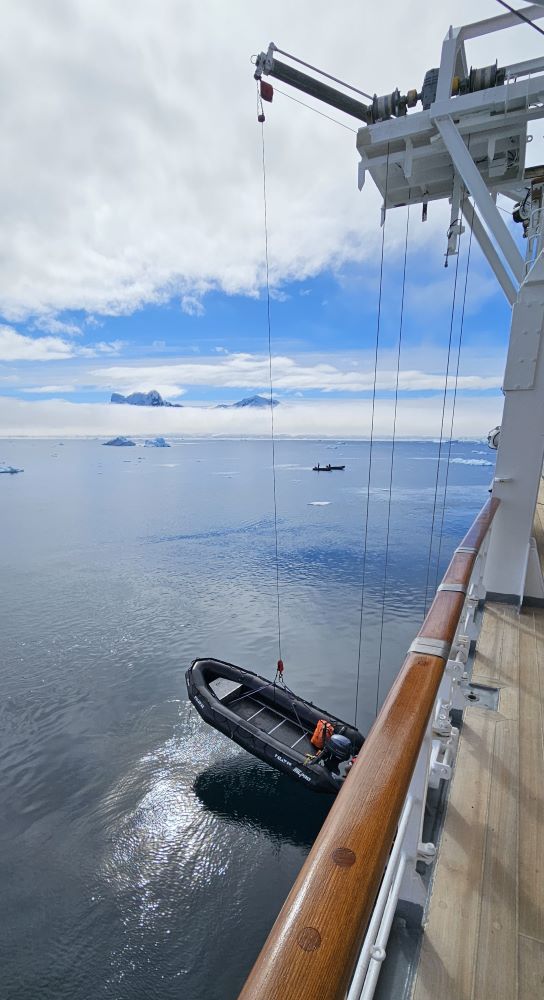
This is how the zodiacs are lowered into the water each time.
A zodiac motoring toward the landing at Neko Harbor.
We are headed to the beach.
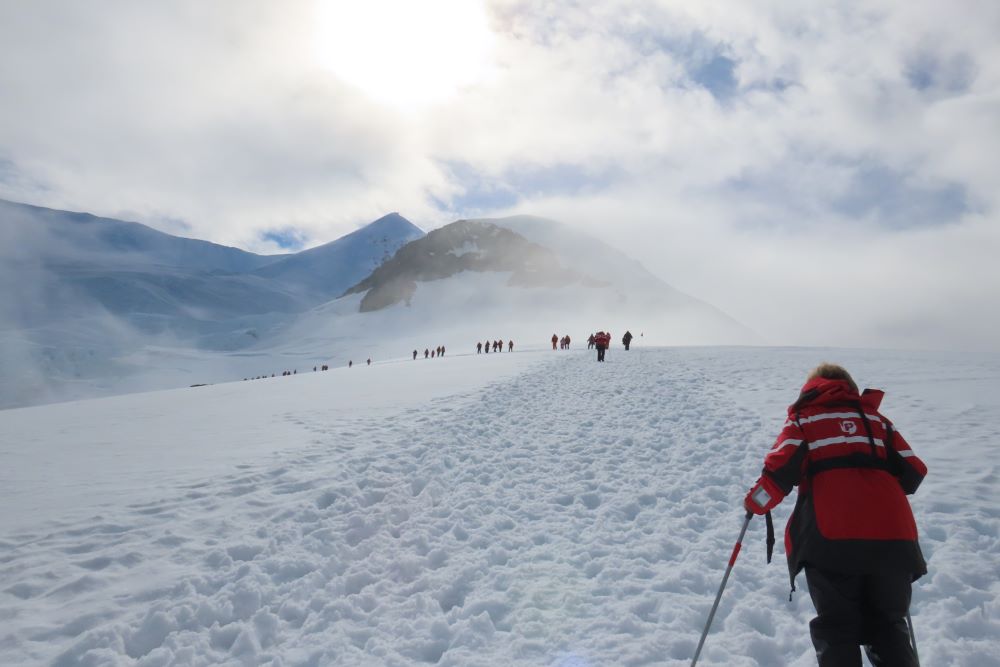
Another uphill hike in the snow …
… but the view was worth it.
The penguin colony
One of the professional penguin counters that traveled with us.
The landing at Neko Harbor was the only place we were allowed to sit or play in the snow – so somebody had to do it.
Gentoo penguins use pebbles to build their nests and use them to attract mates.
It’s always fun to watch penguins walk. They are much better at swimming.
Today was a very exciting day for the four of us because we learned this was this night we would be doing our overnight exploration on Antarctica. We would be camping on the continent! After lunch we had a mandatory briefing and training on how the excursion would go and we were given all our gear and instructions. Then we went back out in our zodiacs for the afternoon cruise.
When we had our pre-camping meeting the weather looked great.
The camping gear is stored in a large waterproof bag. We were taught how to set everything up so we could do it quickly in the cold.
The Captain had moved us to Paradise Bay during lunch and our briefing time. Paradise Bay is one of the most beautiful and pristine spots in all of Antarctica. (And we were actually here!) “Mountains and glaciers reflect off the calm water, and it’s a perfect place to soak up the peace and stillness of Antarctica.” Unbelievably amazing. Another vista that brought tears. Additionally, we saw whales, birds and a leopard seal. While being immersed in all the beauty, it seemed to suddenly begin to get foggy.
The ship entering Paradise Bay
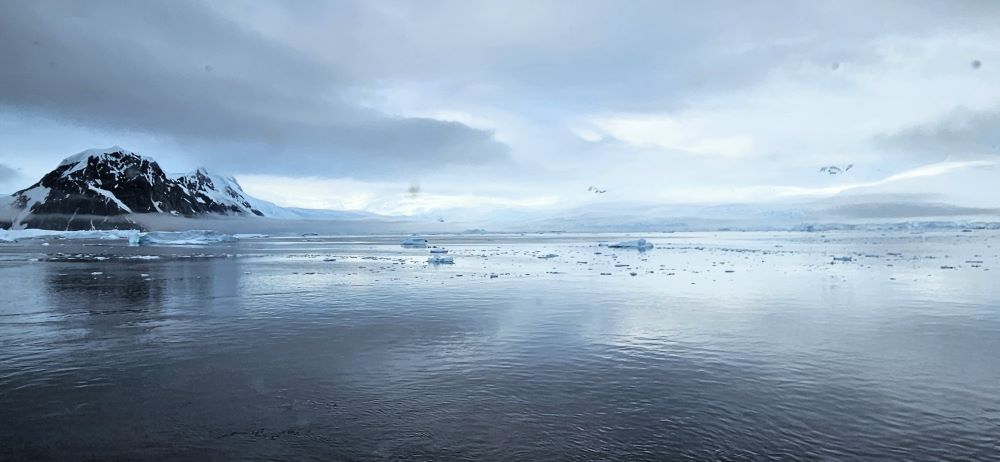
Beautiful Paradise Bay
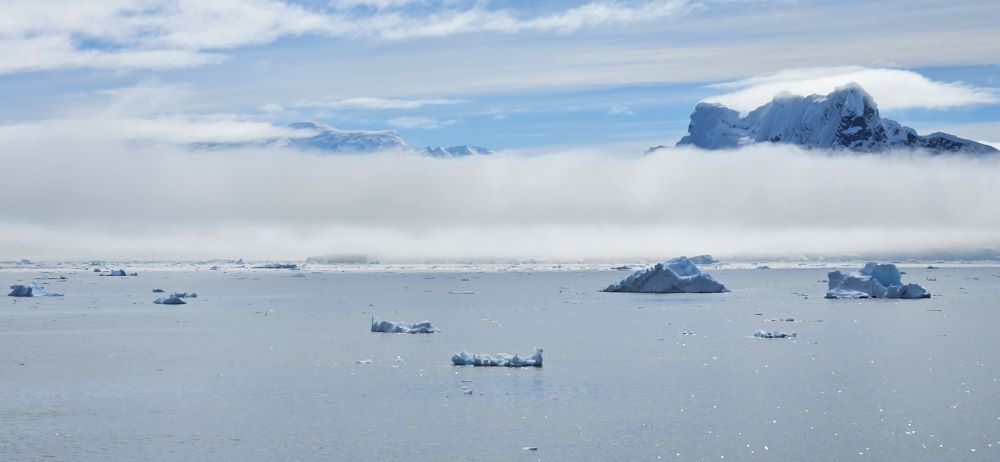
The low clouds in Paradise Bay gave it kind of a mysterious look.
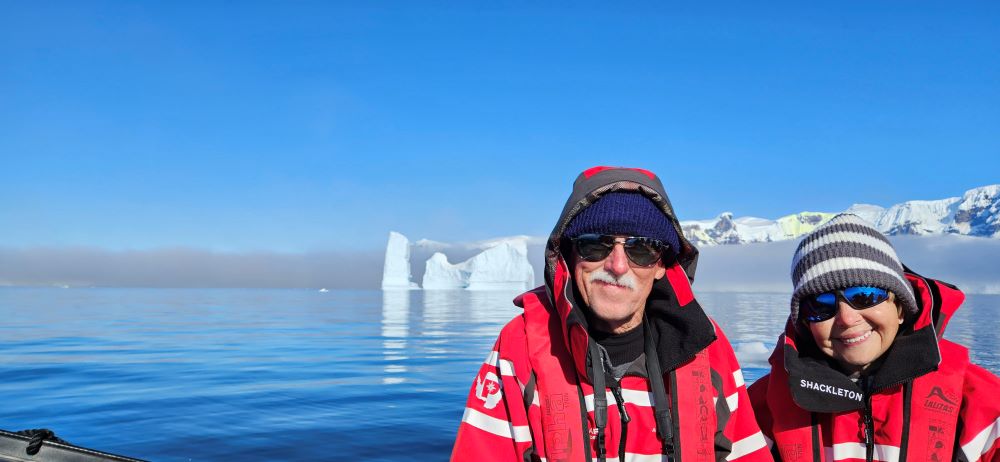
Barry and Donna happy to be here
One of the seals we saw in the bay
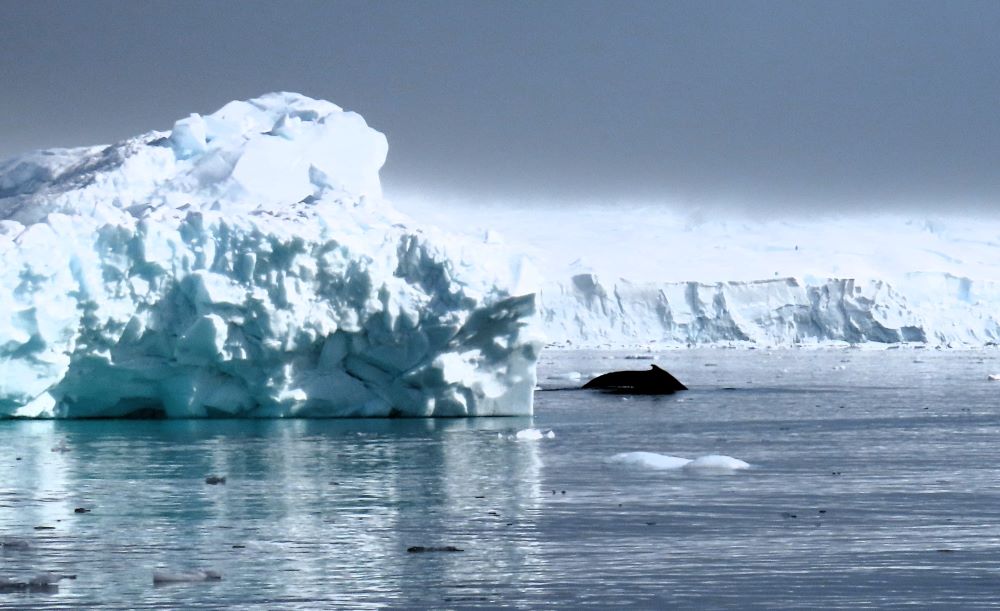
Whale emerging from behind and iceberg
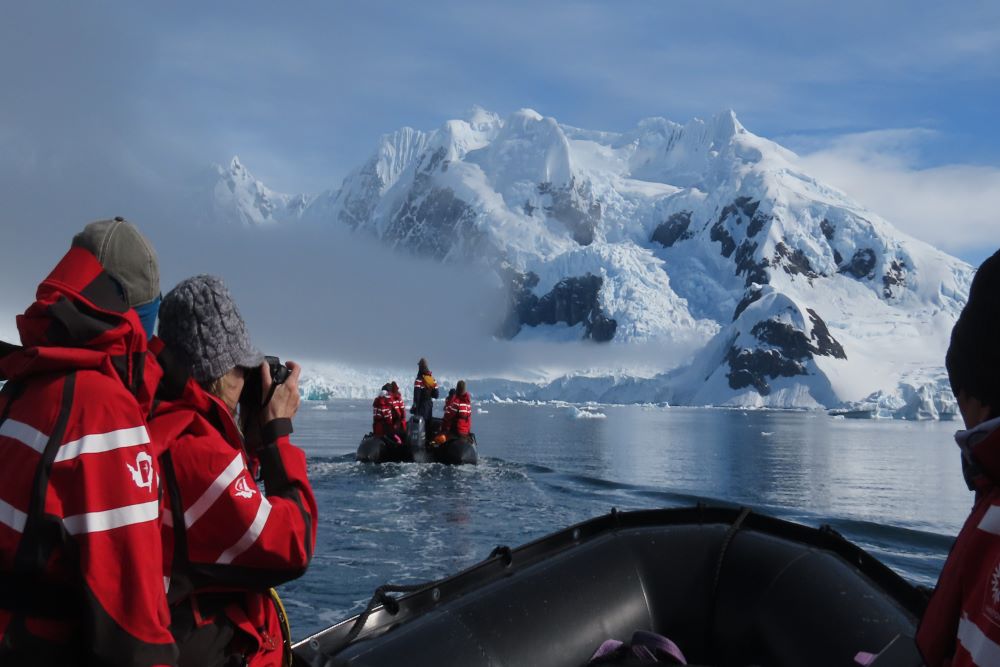
The whales were not disturbed by the zodiacs (or the excited voices in the zodiacs.)
One of the icebergs we saw on the cruise
Cape Petrel
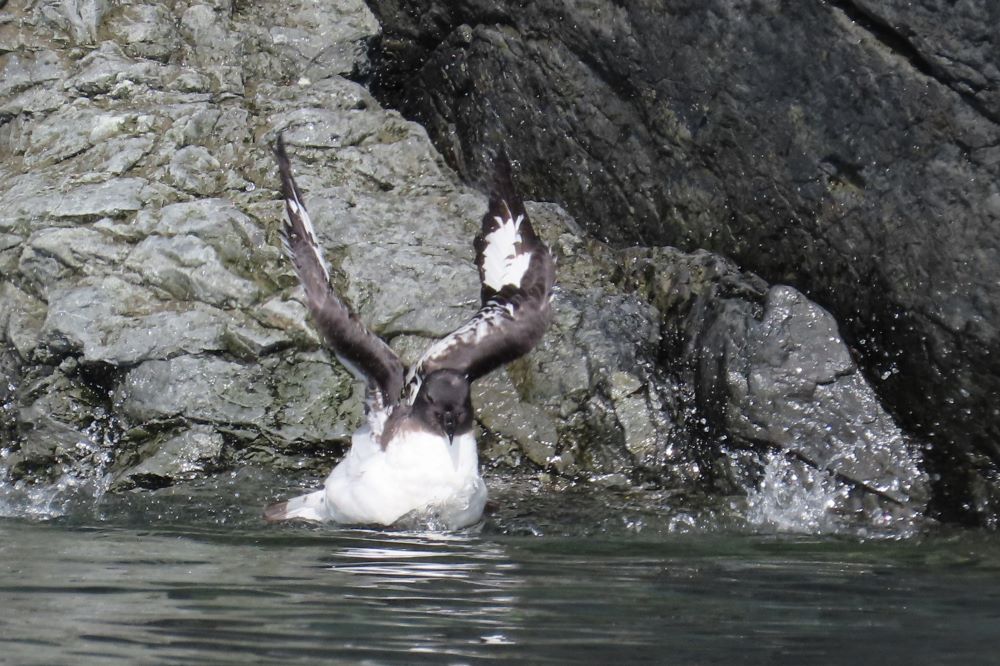
Antarctic cormorants
The guide found this salp in the water and was explaining it to the passengers. One of the passengers took it out of her hand and ate it. He said it tastes salty.
We headed back to the ship and noticed that the fog was getting worse. We had another briefing shortly before dinner and got the bad news that the overnight camping on Antarctica was off. The new forecast called for dense fog and below freezing temperatures – freezing fog. Our guide told us we would be frozen popsicles by morning if we camped out. As disappointed as we were (the campout was high on our list of must do items) we understood and appreciated that they were taking good care of us. So that evening everyone visited in the lounge for a while.
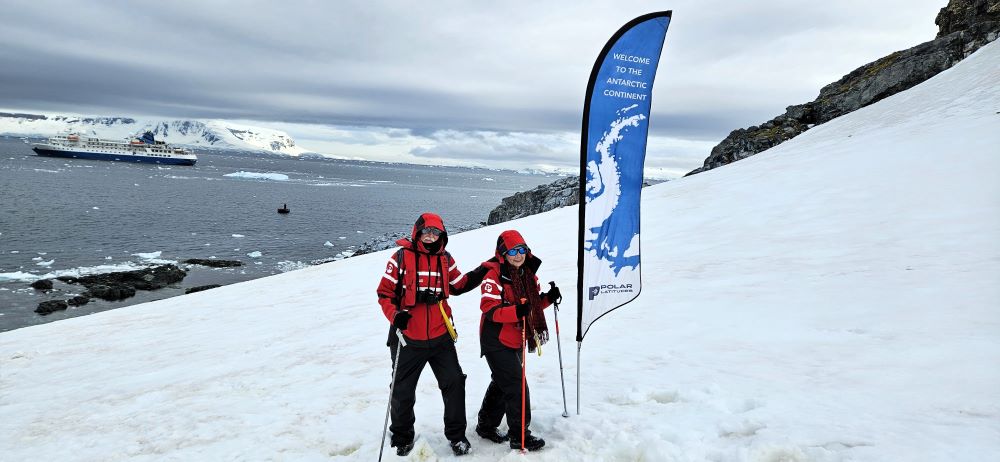
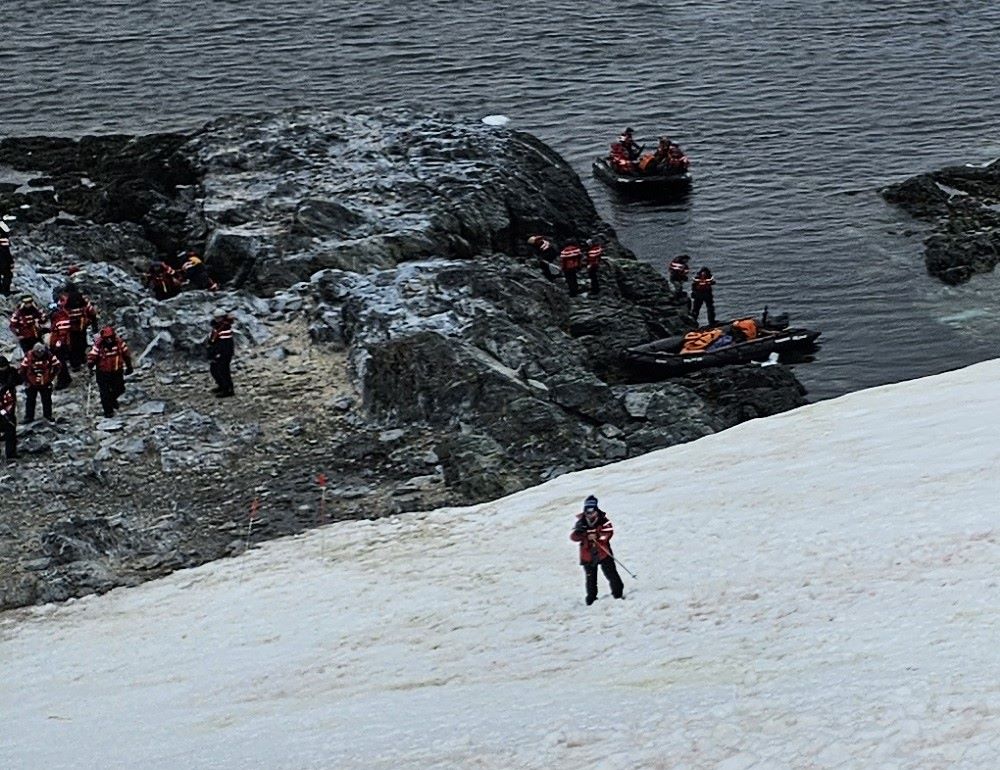
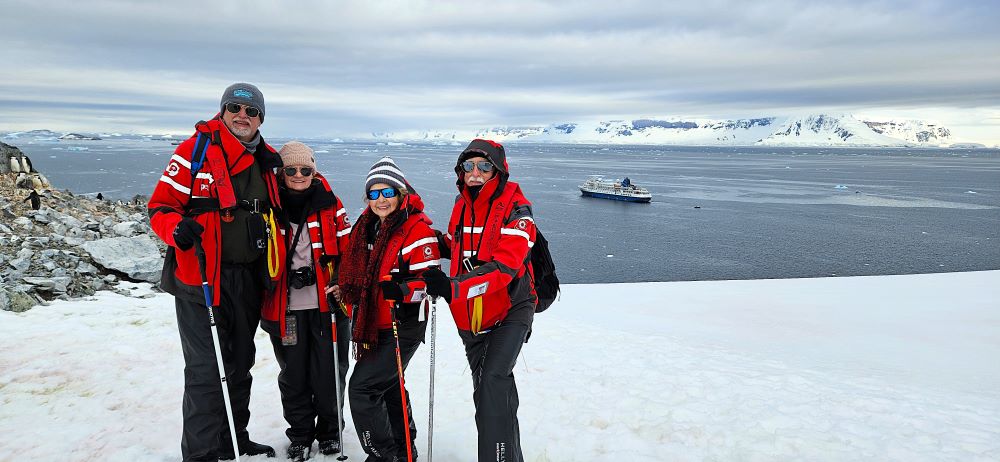
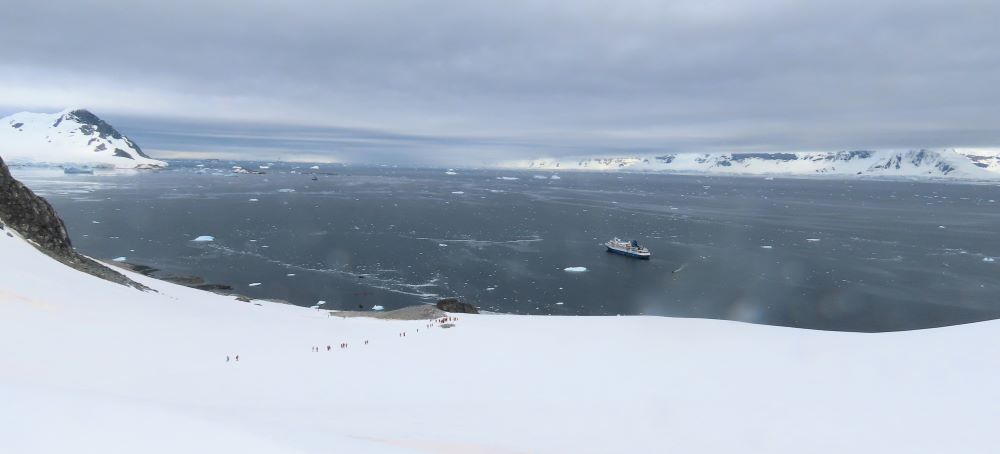
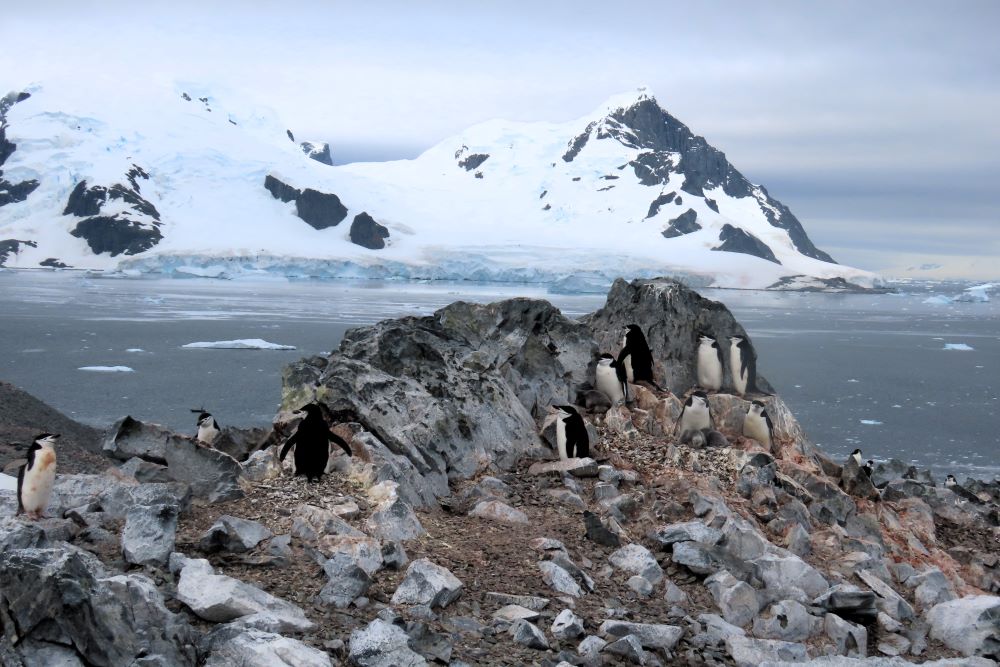
We woke with excitement this morning, January 22. This morning was when we would finally walk on the continent of Antarctica – our first continental landing. You could almost feel the excitement at breakfast. By now we were much better at getting all the layers of gear on and faster at loading the zodiac. It was beautiful out on the water. Definitely a day we needed our polarized sunglasses and sunscreen – items that were highly recommended on our pre-departure literature. Overnight the Captain had positioned the ship in Orne Harbor, about a one-mile-wide cove on the west side of the Antarctic Peninsula. We landed on the beach near a chin strap penguin colony. From the shore it was quite a hike up to the top of the mountain. The view back down of the ship in the harbor and the other scenery made the hike worthwhile. Just stepping on the snow and starting the climb thinking about where we were standing was a tearful moment. It was all we had thought Antarctica would be and so much more. One of the “mores” was that we had a wedding while there. A couple wanted to be married in Antarctica so there was a little private service for them while we were exploring the Harbor. We wish them well.
Early morning whale viewing before heading out in the zodiacs.
Our first steps on the actual continent of Antarctica were on this rocky shore. Then we had to climb up the rocks to the snow for our hike up the hill.
The climb seemed longer in the heavy boots and winter gear.
Anne climbing the snowy hill
The crew set up this sign so we could each document our visit to the continent.
Our first group picture on the continent of Antarctica
We wondered if this sailing vessel had as much fun on the Drake Passage as we did.
Orne Harbor panorama
The penguins at Orne Harbor were again their playful and entertaining selves. We were sad when it was time to return to the ship for lunch.
Chinstraps in the snow
Chinstrap nests on the continent
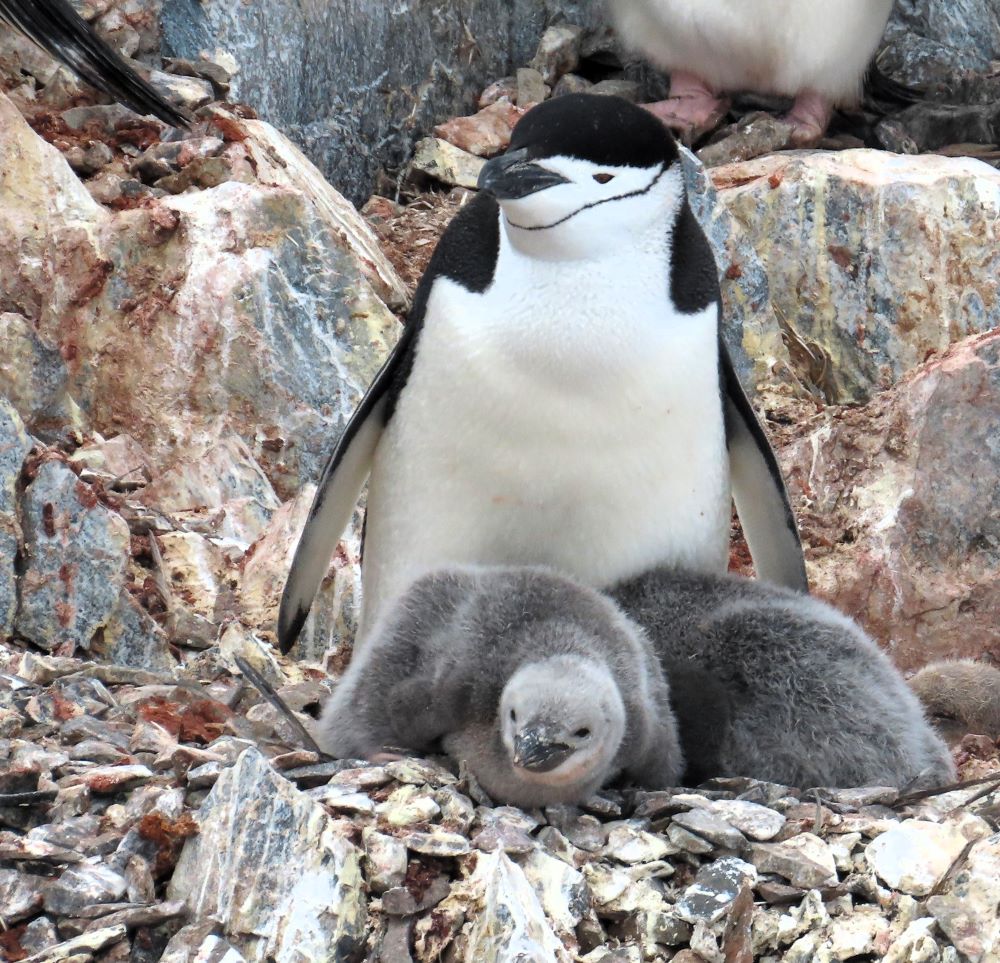
Baby chinstrap penguins
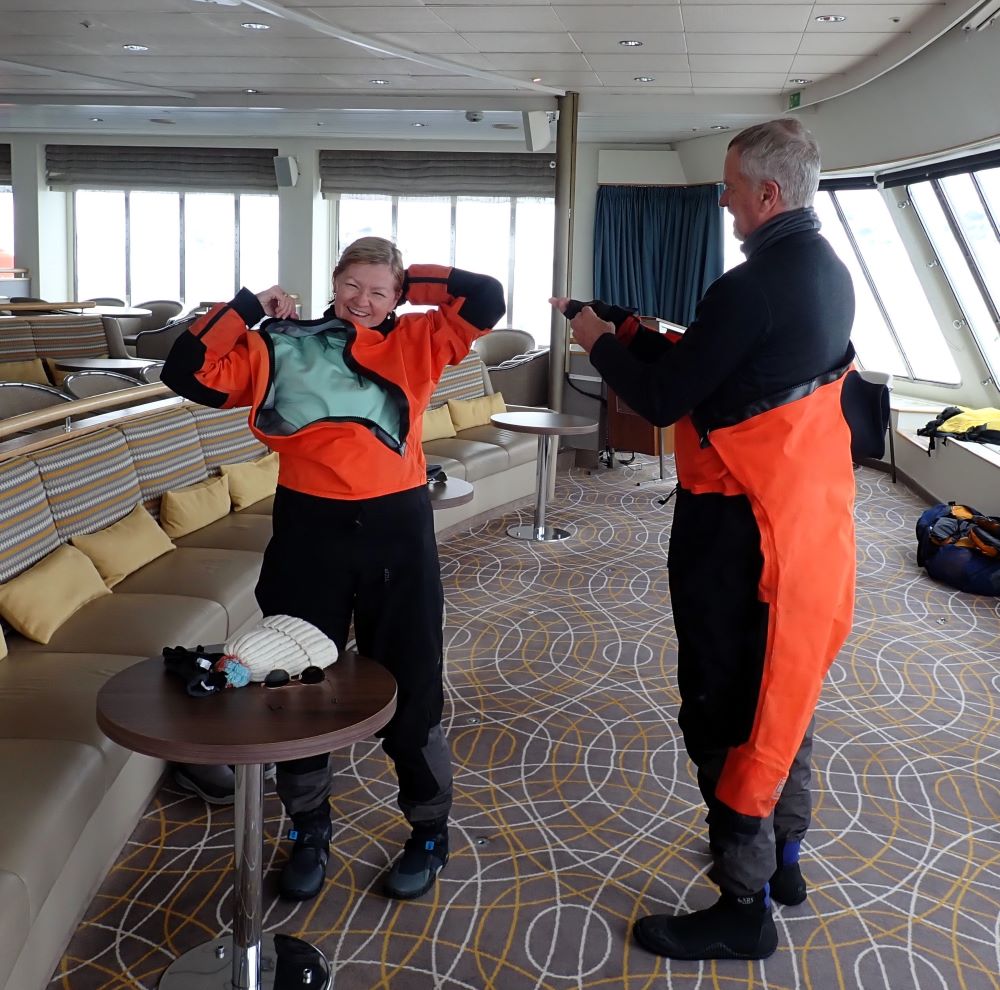
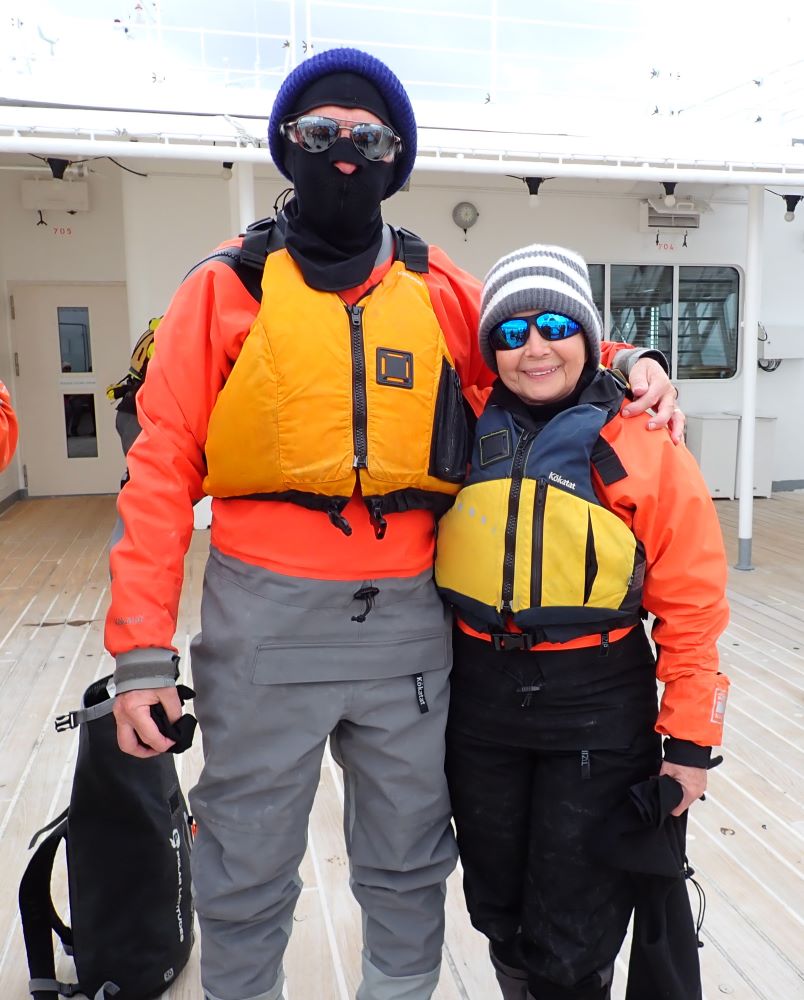
After a quick lunch, we prepared for our afternoon kayaking journey in Wilhelmina Bay, an extra excursion we signed up for. We just thought it took a lot of time to dress for regular excursions. Today we had to get dressed in dry suits and more layers of clothes and socks. Talk about work! After we passed all the safety requirements for kayaking we loaded into a zodiac towing our kayaks. When we reached a point closer to shore we were assisted in entering our sea kayaks and paddled away. It was such a different feeling to be down in the water among all the ice and icebergs. It was like a dream, but we were actually in Antarctica. We paddled around a while and then stopped for a while to just listen to all the ice movements/crackles/splashes. So quiet yet so loud at times. So peaceful.
It takes some effort to get into a drysuit.
What we look like in drysuits
Headed out to kayak
Moving from the zodiac to the kayaks
Our kayaking group
Kayaking in the ice
Donna and Barry in kayak
One of the crew members measuring the density of phytoplankton in the water as part of the Citizen Science Program
We were able to kayak near this seal
Another odd iceberg we saw from the kayak
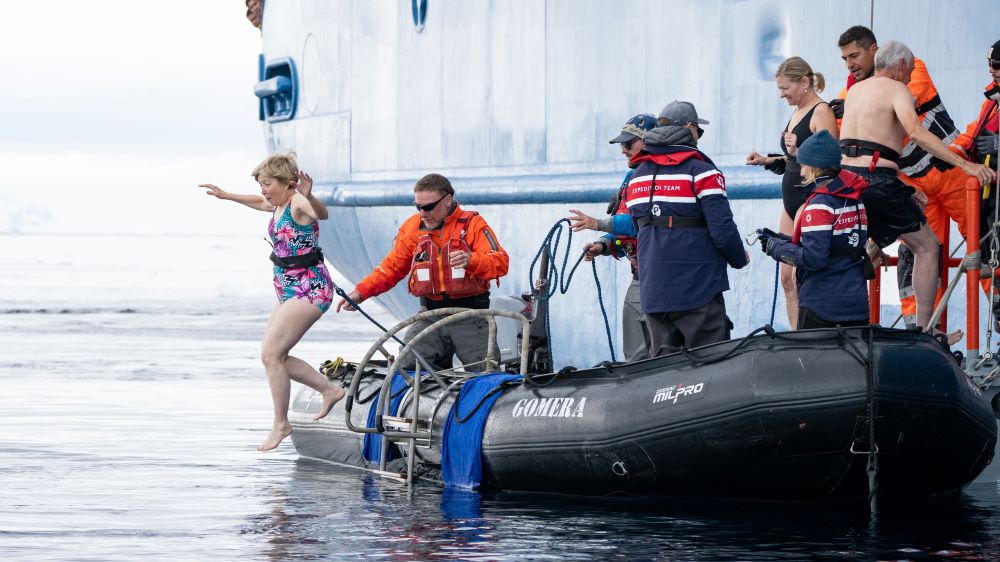
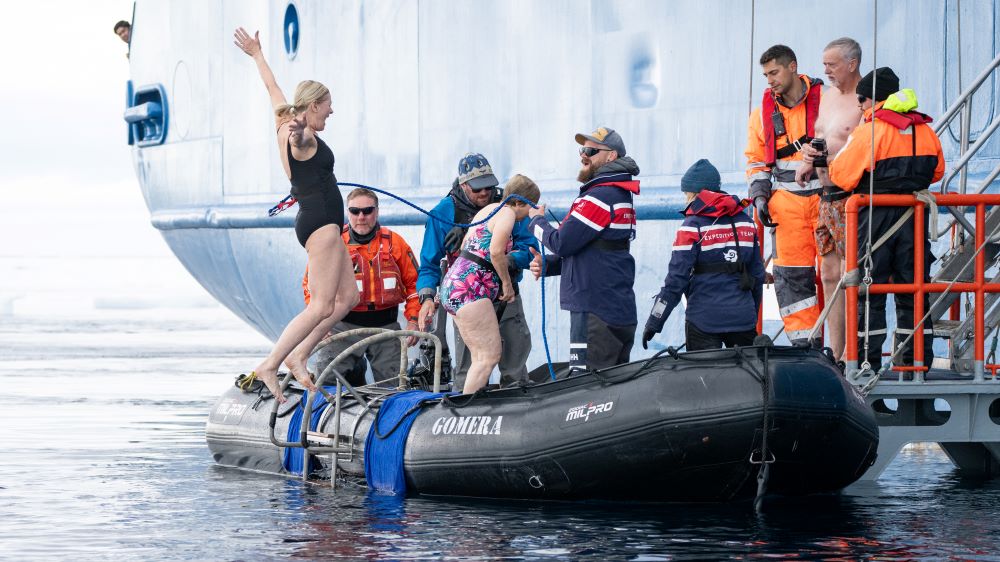
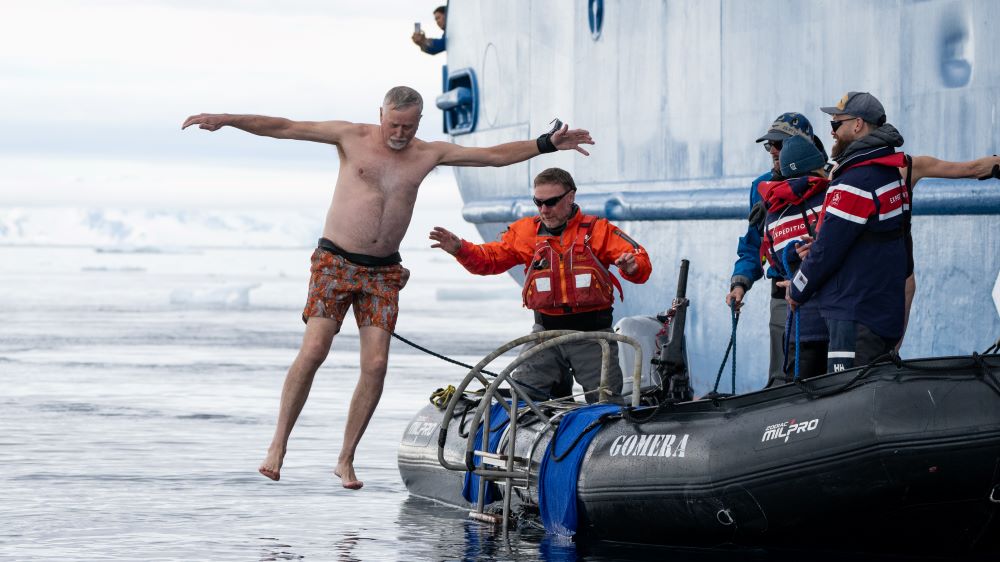
After returning to the ship, it was time for the Polar Plunge. For the last 18 months we said that we were NOT going to do the plunge. We are too old! Well, the brisk Antarctica air must have removed some of those years or maybe some more of our brain cells, because we did the plunge along with Barry and Donna. Polar Latitudes provided us with great, warm bathrobes for the entire trip. They were also for us to wear over our bathing suits while we were waiting our turn for the plunge. When it was our turn, we were secured to the ship by a rope and after receiving encouragement from our shipmates, we made the big jump into the Antarctic Ocean. We then QUICKLY got out of the water and were given warm towels, our bathrobes and some hot chocolate. How was it you ask? COLD! A stinging cold. But we all agreed that it wasn’t as bad as we expected it to be. It was appropriate for the four of us to do this together. Donna had wanted us to do the plunge when we were all in Alaska in 2014 at Prudhoe Bay. Prudhoe Bay was still covered in ice in June when we were there so the best we could do that day was stand in snow up to our knees on the ice covering Prudhoe Bay. Today makes up for what we missed in 2014.
First in was Max …
… then Anne …
… then Donna …
… and finally Barry (followed by dozens of other otherwise intellegent passengers).
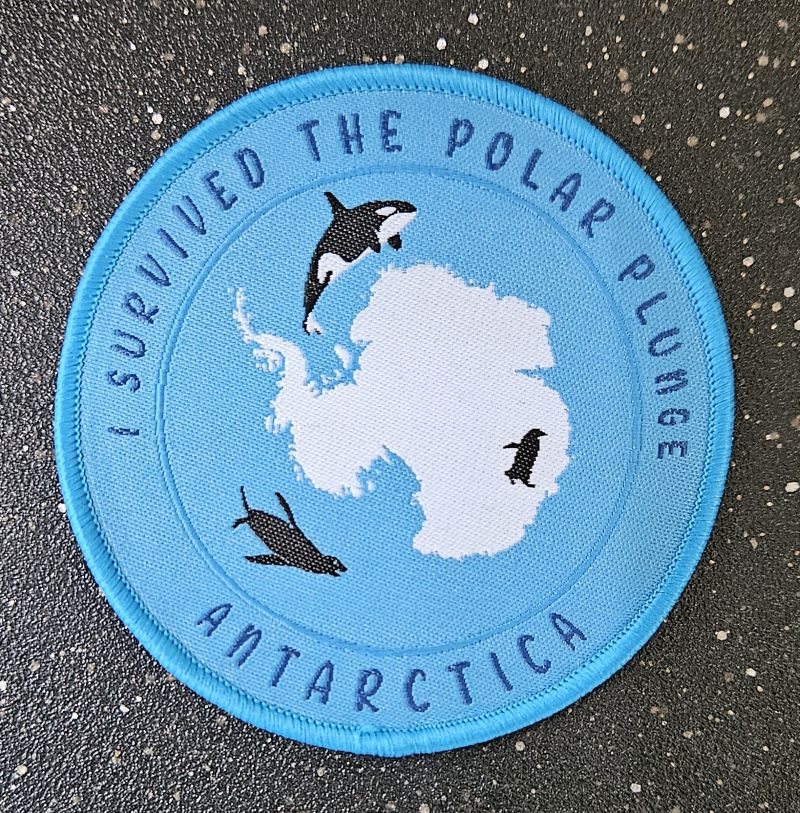
Our award for …?
After we all had hot showers, the next item on the agenda was a big barbeque dinner on the back deck of our ship. So much good food! It was another amazing day. We were so blessed to be in this incredibly beautiful place.
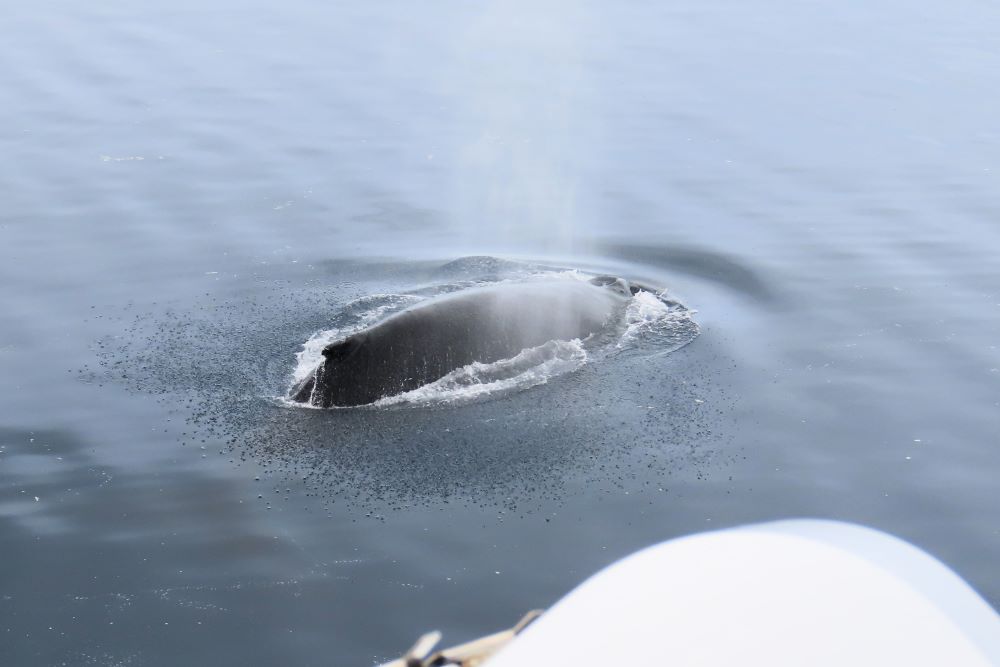
That evening we had more whale sightings, such as this humpback right beside the ship.
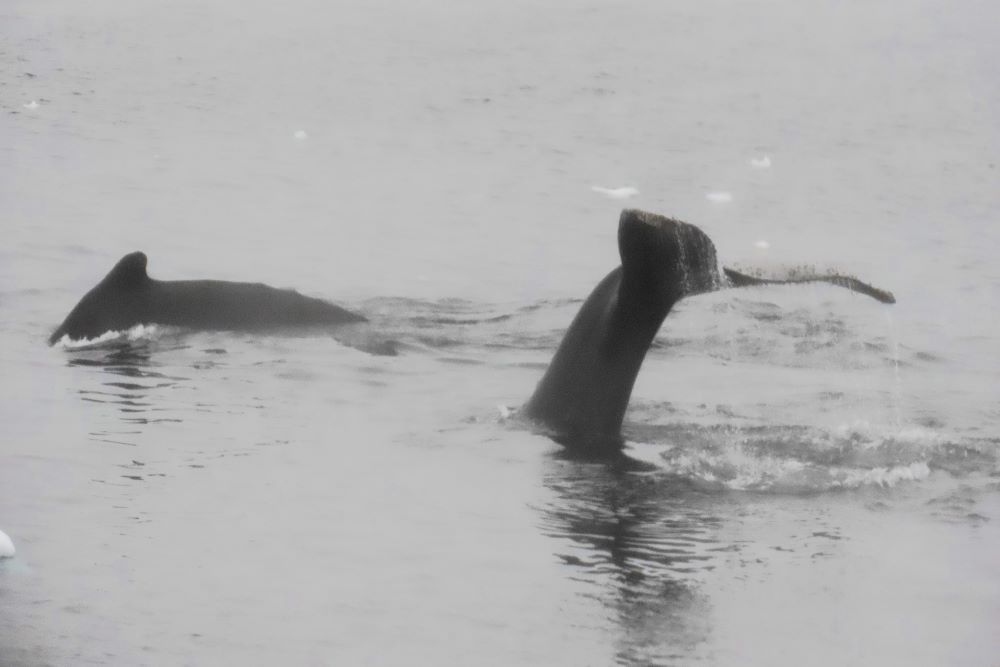
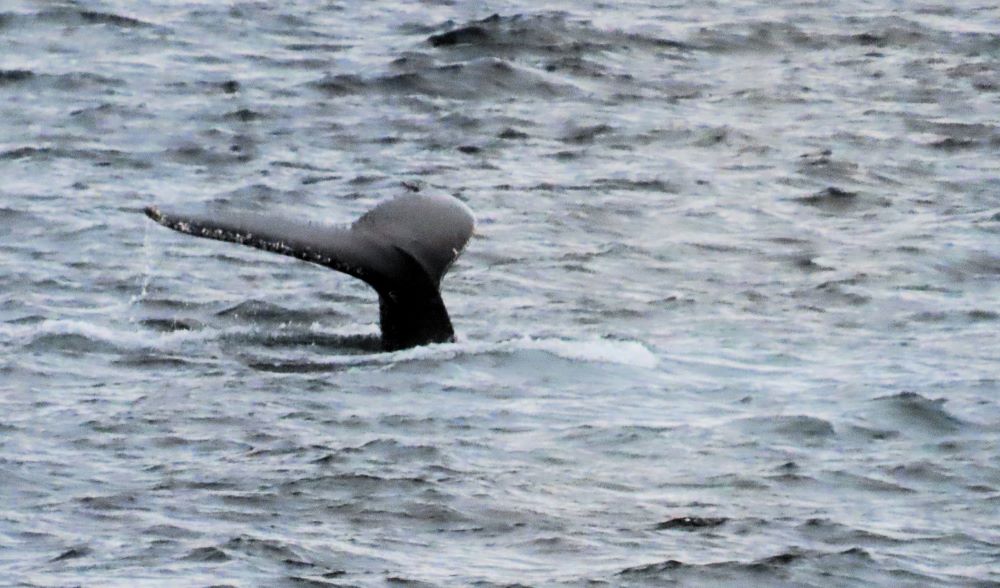
We even saw a few humbacks with their flukes out of the water.
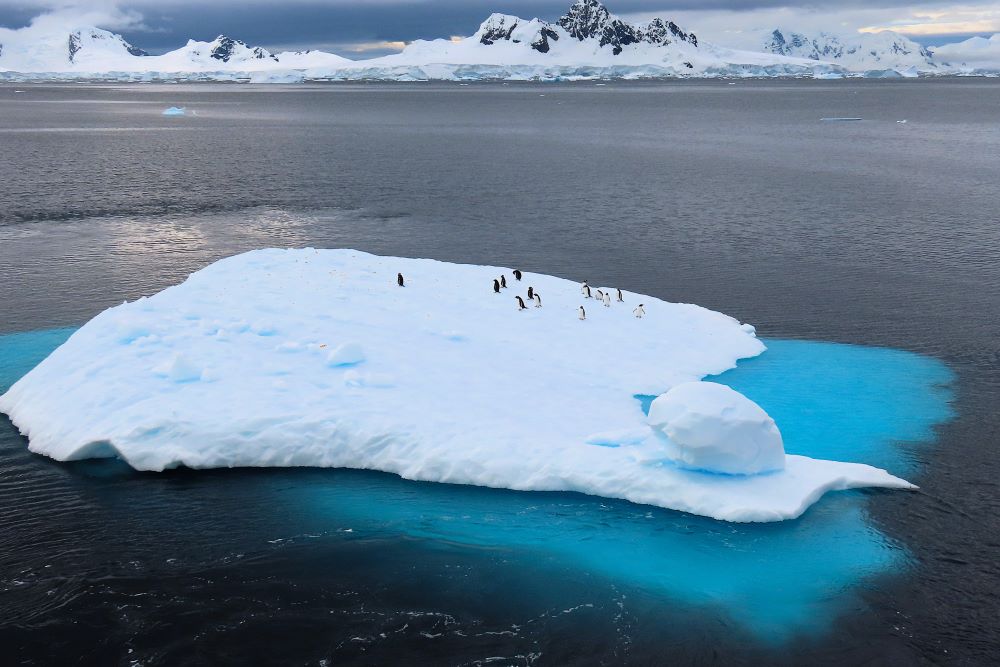
Then after dinner the captain maneuvered the ship close so we could watch these gentoos on an iceberg.
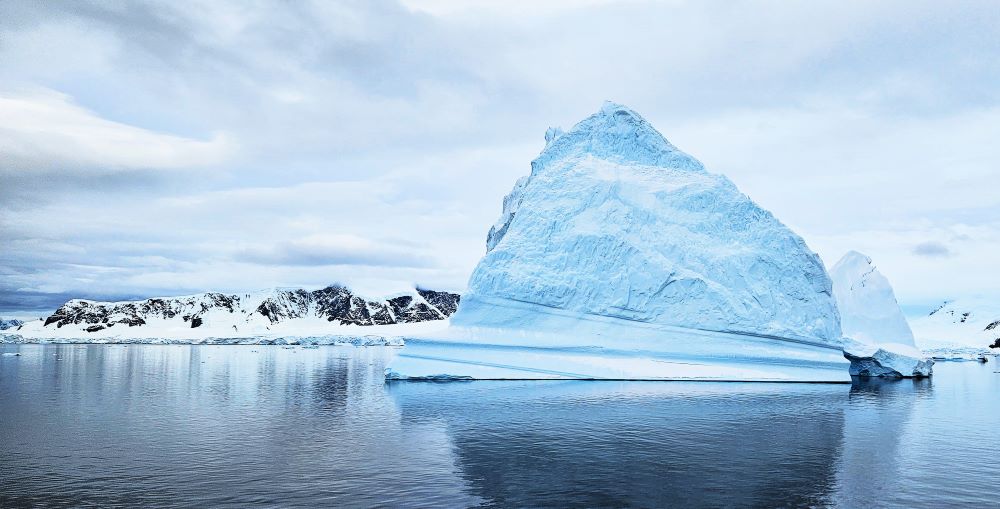
A shot of another interesting iceberg after dinner.
































 RVing With a Purpose